Transfer Switch Sizing for Home Battery Backup: Manual vs ATS Explained
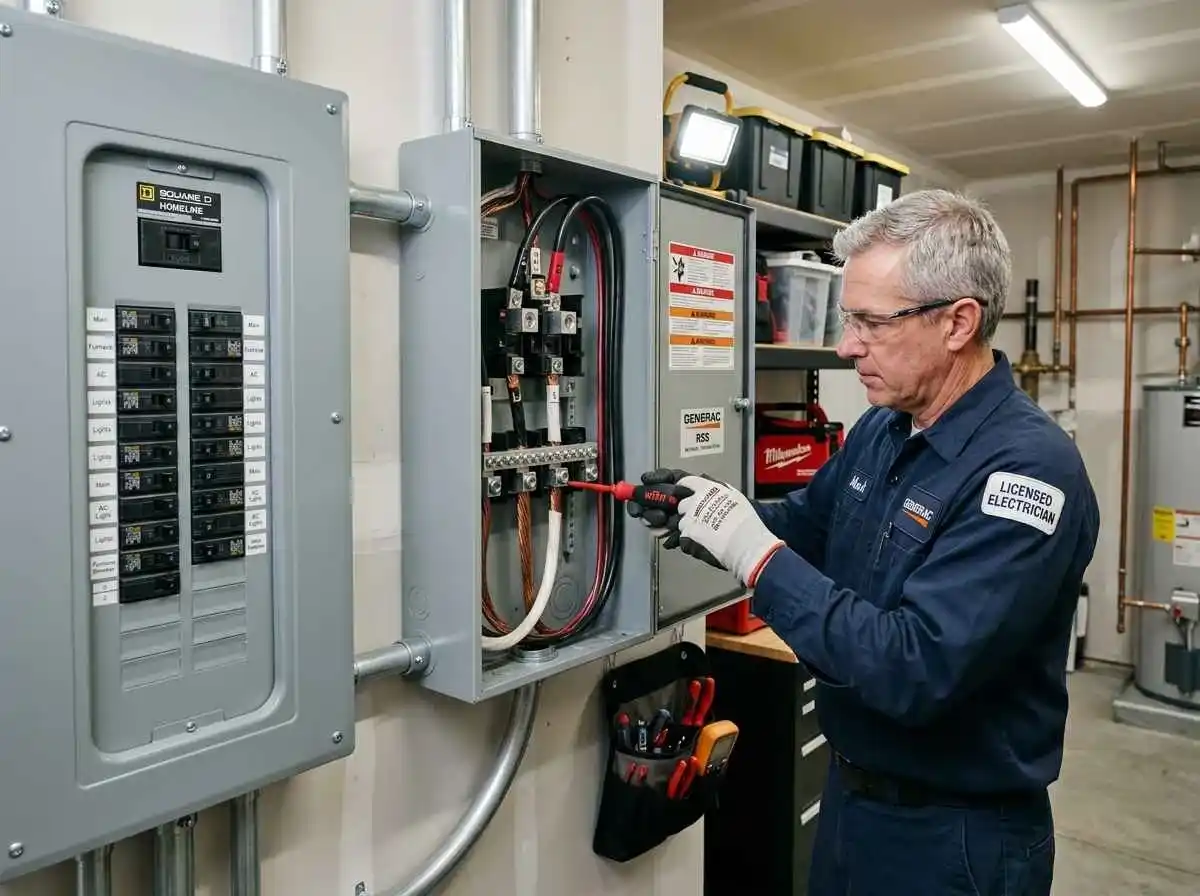
transfer switch home battery backup

Connecting a multi-kilowatt battery inverter directly to your home’s electrical distribution without a physical isolation mechanism is both illegal and lethal. During a utility grid failure, energized residential circuits will backfeed power onto external neighborhood power lines, turning localized distribution transformers into step-up hazards that endanger utility linemen working down the street. To safely isolate … Read more
How to Size an MPPT Solar Charge Controller for 48V Systems (Calculations & Safety Margins)

solar charge controller

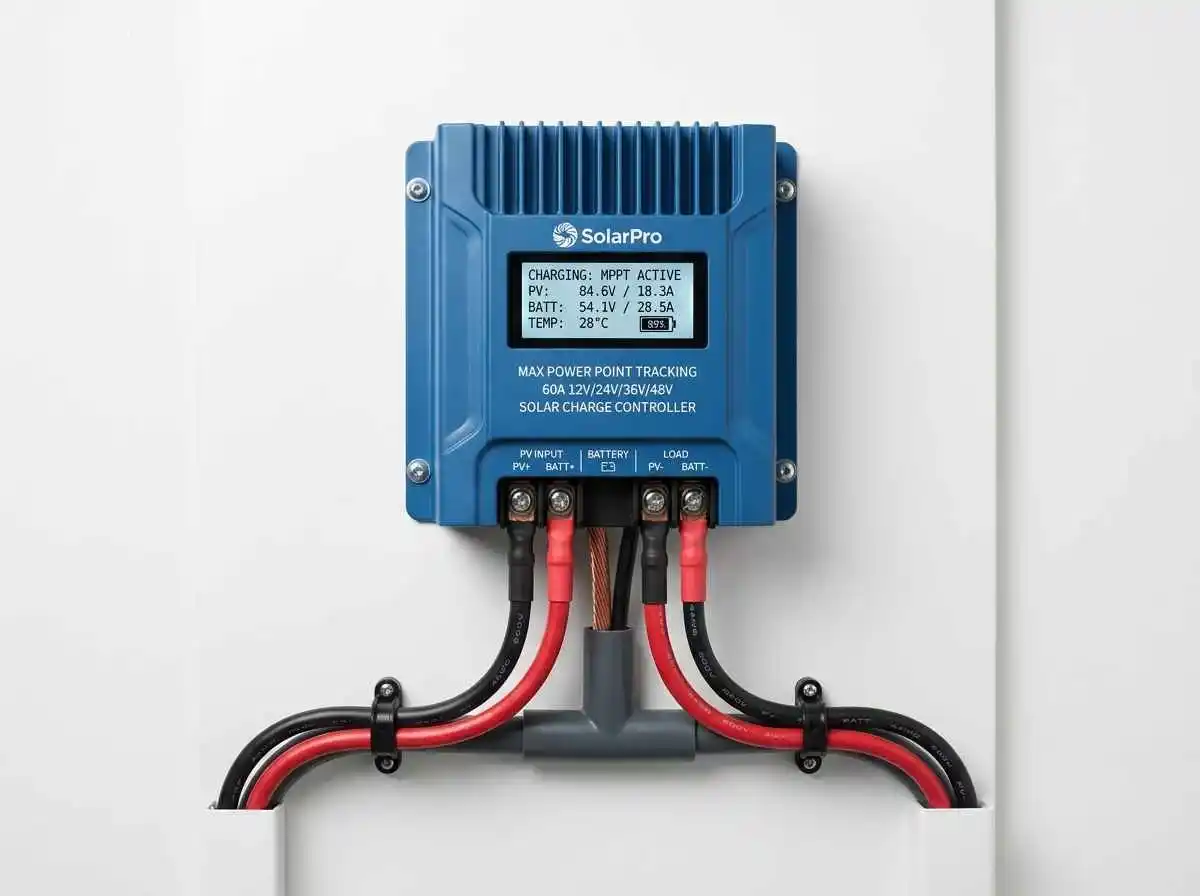
Selecting an undersized Maximum Power Point Tracking (MPPT) charge controller bottlenecks your entire solar array, leaving valuable energy unharvested on peak sunny days. Conversely, selecting an oversized controller needlessly drains your budget on unused current capacity. Worse still, miscalculating maximum input voltage risks catastrophic electronic failure the first time winter temperatures drop. Unlike legacy Pulse … Read more

Busbar Sizing and Fuse Selection for 48V DIY Battery Systems (Class T vs ANL)

class t vs anl fuse battery

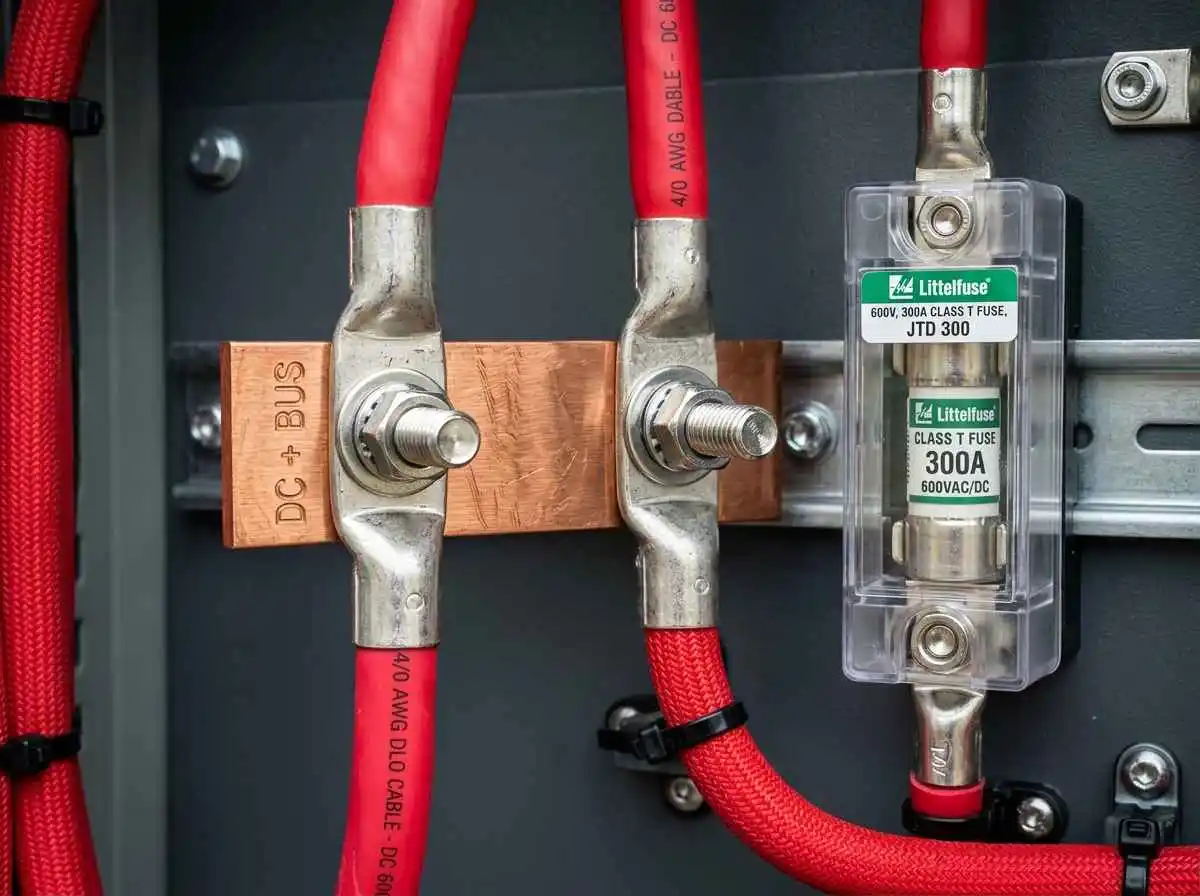
When building a high-capacity 48V lithium iron phosphate (LiFePO4) energy storage system, mechanical connections and overcurrent protective devices (OCPD) are frequently treated as afterthoughts. Homeowners often spend thousands on server-rack battery modules and hybrid inverters, only to bottleneck the system with undersized copper bars or dangerous, slow-blow automotive fuses. A dead short on a 48V, … Read more

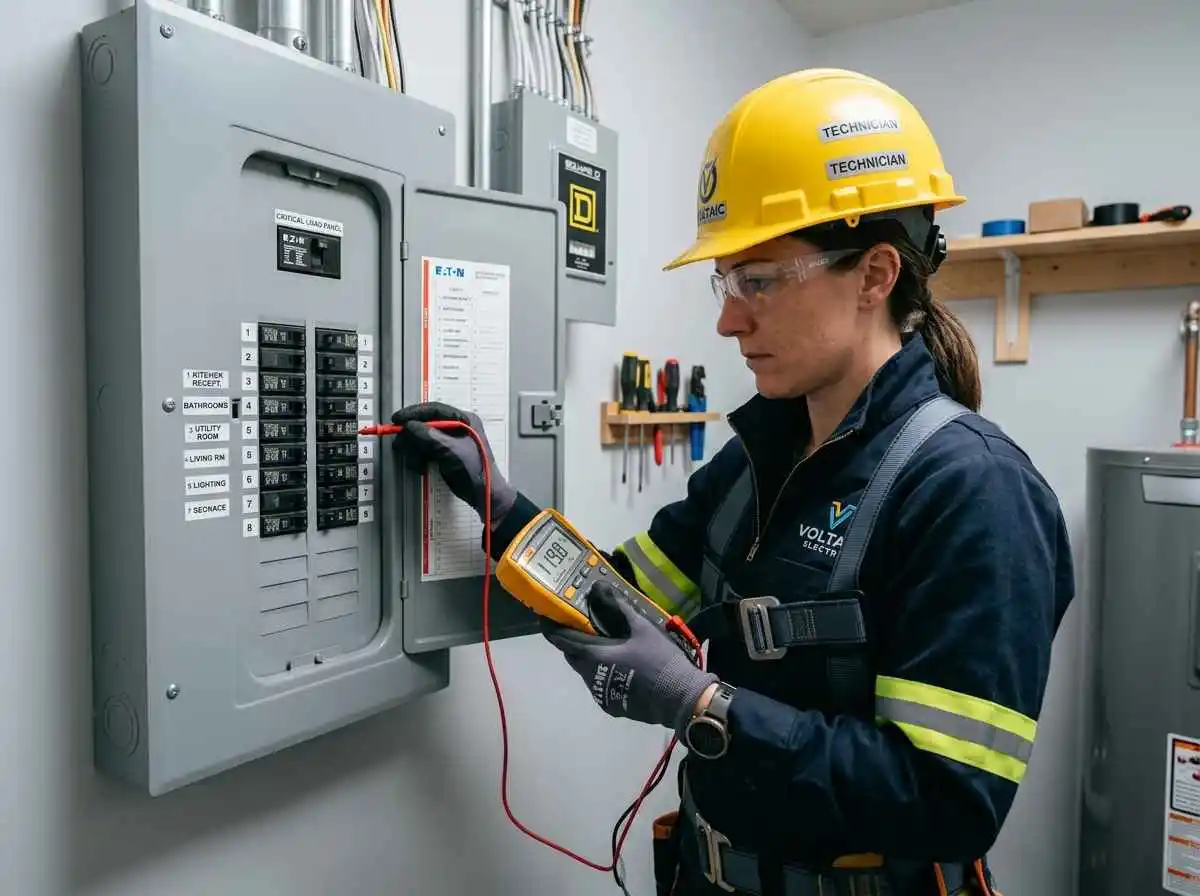
Whole-Home Energy Audit for Battery Sizing: Vampire Loads, Surge Watts, and Critical Load Subpanels

Home Efficiency

Investing thousands of dollars in a residential battery storage system without first conducting an aggressive electrical audit is the most expensive mistake a homeowner can make. If you simply aggregate the average monthly kilowatt-hours (kWh) reported on your utility bill, you will either vastly oversize your battery bank—wasting capital—or undersize your inverter, causing it to … Read more

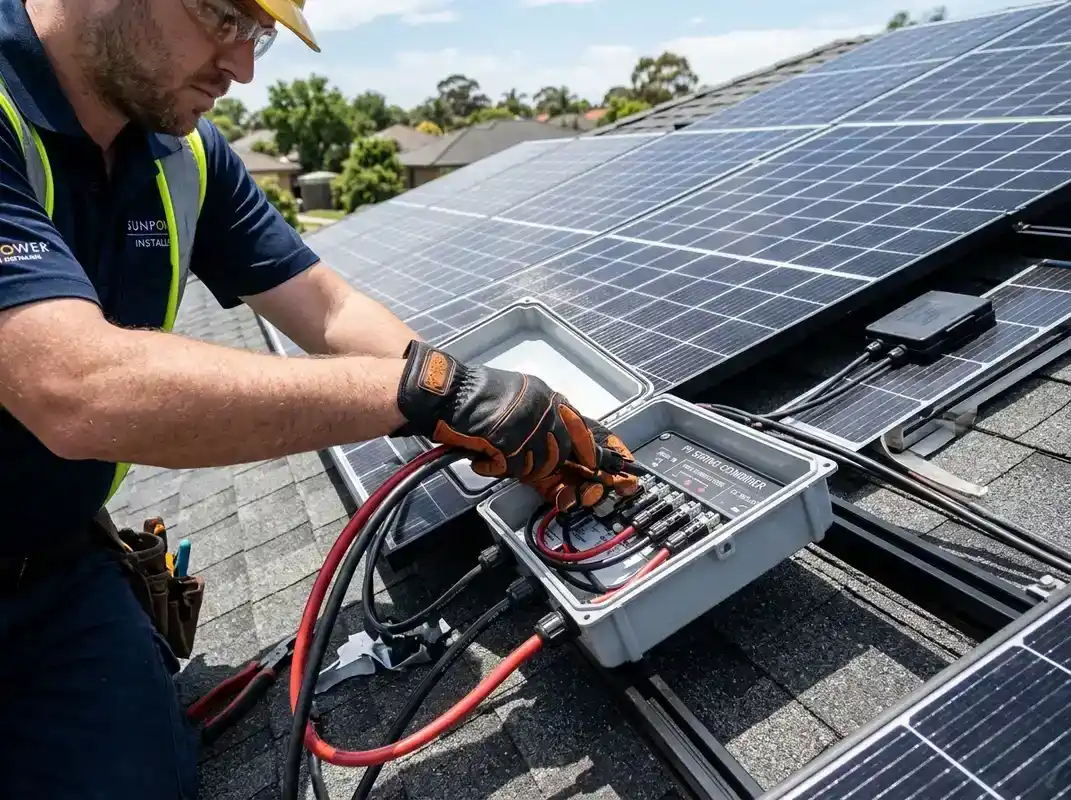
DIY Solar Panel Wiring for Battery Backup: Series vs Parallel Explained

DIY Solar Panel Wiring for Battery Backup: Series vs Parallel Explained

Wiring solar panels incorrectly is the most common reason DIY home backup systems fail before the first grid outage. While connecting photovoltaic (PV) modules seems as simple as snapping MC4 connectors together, choosing between series, parallel, or a hybrid series-parallel array fundamentally dictates your system’s operating efficiency, wire gauge requirements, and inverter safety. An improper … Read more

LiFePO4 vs Lead-Acid for Home Backup: Real Cost, Usable Capacity, and Lifespan Breakdown

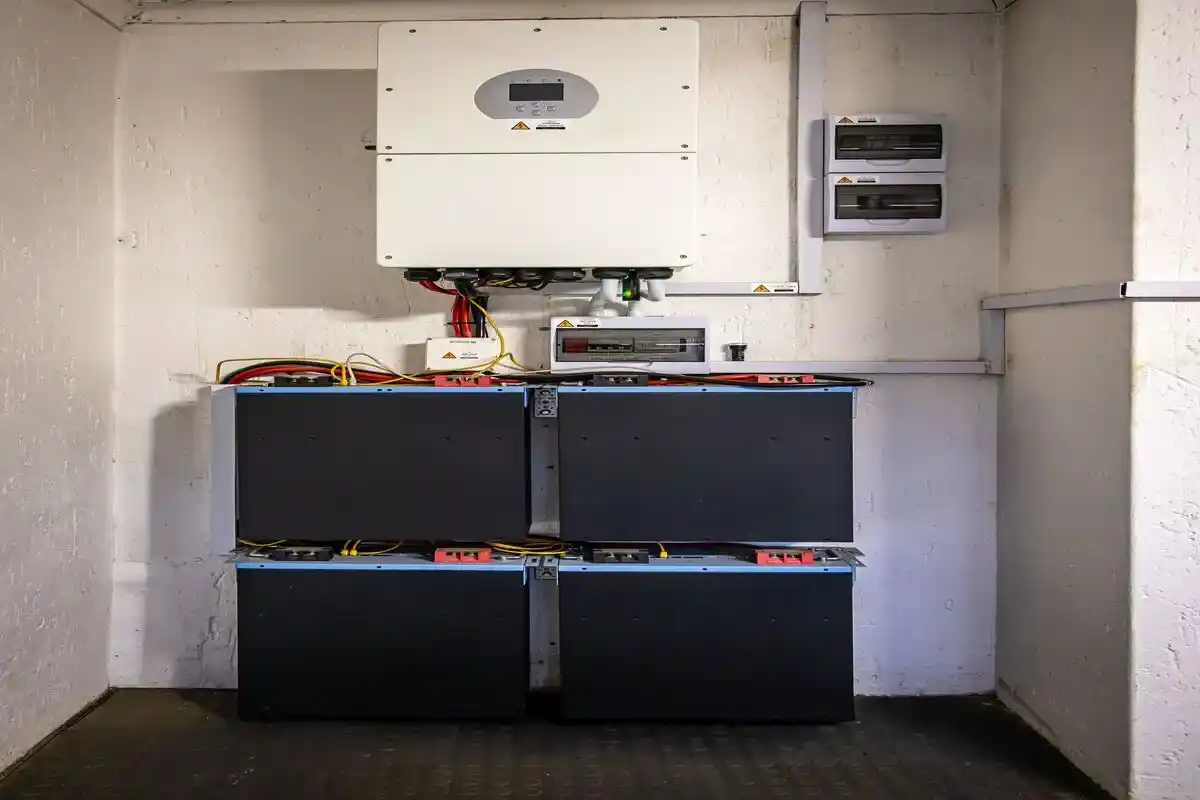
Residential home backup battery bank with hybrid inverter wiring

A 10 kWh lead-acid battery bank costs nearly half as much upfront as a lithium setup, leading many homeowners to think they landed a bargain. That initial discount disappears the first time a grid outage demands heavy split-phase loads, draining the bank faster than expected while cutting its lifespan in half. Lead-acid and Lithium Iron … Read more

How to Size a 48V LiFePO4 Battery Bank for Home Backup (Sizing Guide & Math)

48V LiFePO4 battery bank for home backup

A 10 kW hybrid inverter will not save your food or run your well pump during an ice storm if your battery bank empties in four hours. Most homeowners undersize their storage because they tally appliance nameplates and ignore inverter idle draw, surge currents, and DC conversion losses. Stepping up to a 48V nominal DC … Read more