Mini-Split Sizing for Battery Backup: Inverter Variable-Speed vs Central AC
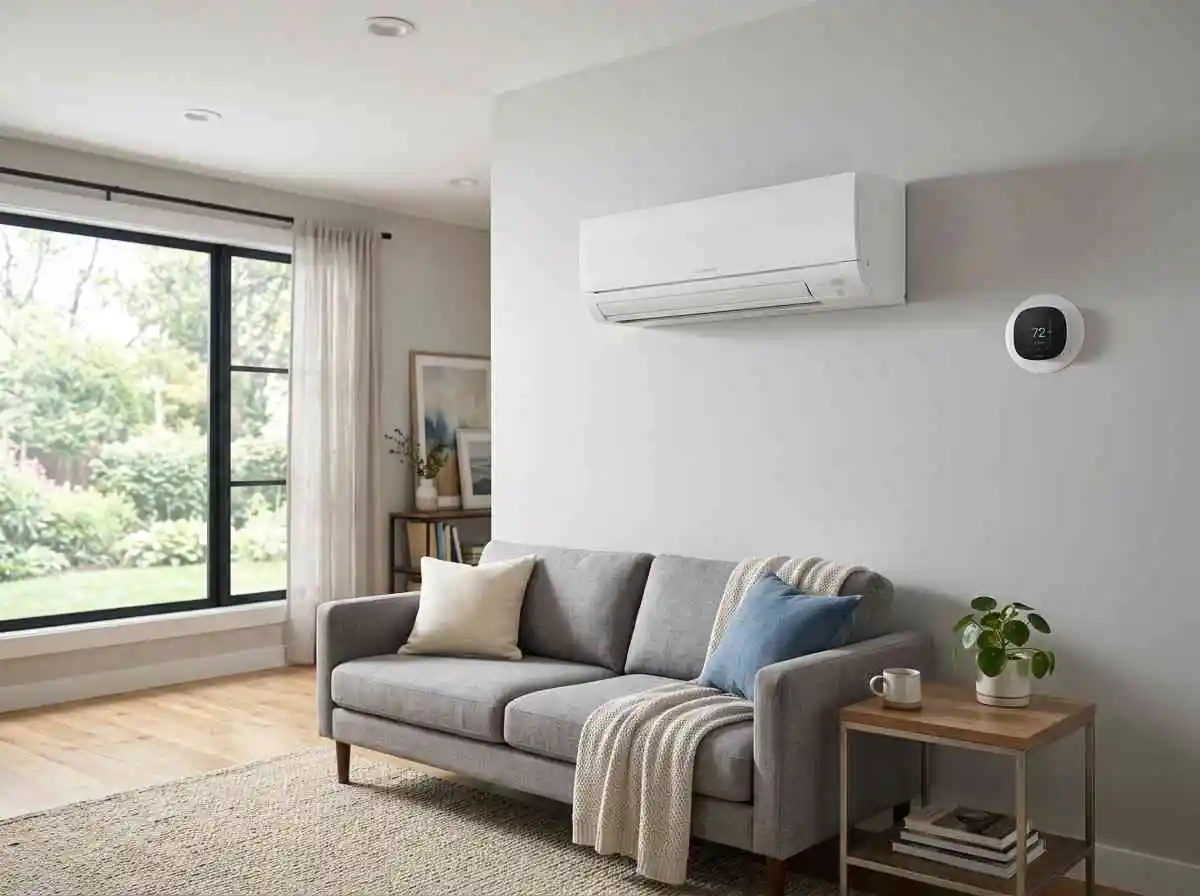
mini split sizing battery backup

Maintaining indoor climate control during an extended electrical outage is often the deciding factor between comfortably sheltering in place and abandoning a home. However, space cooling and heating represent the single most demanding electrical loads in residential architecture. Running a conventional single-stage central air conditioning system on battery storage frequently proves unviable due to massive … Read more
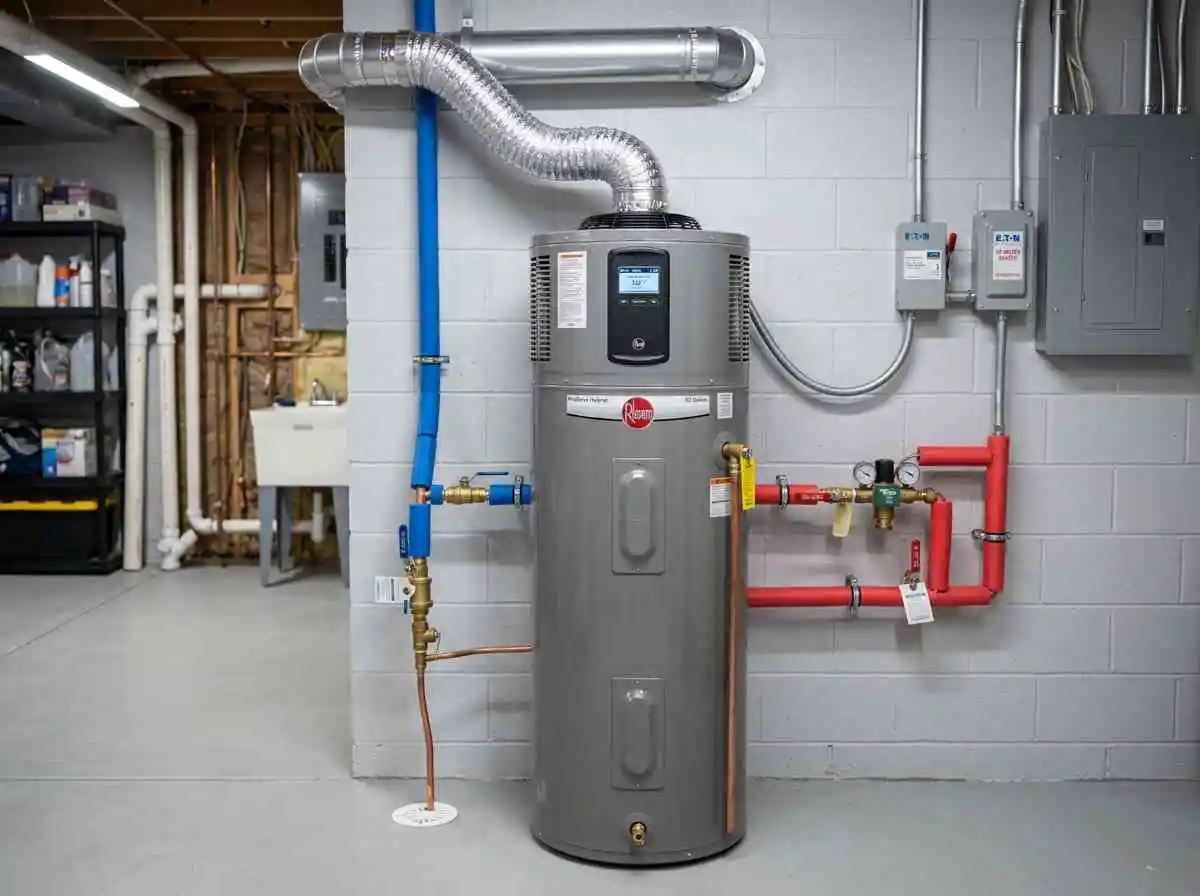
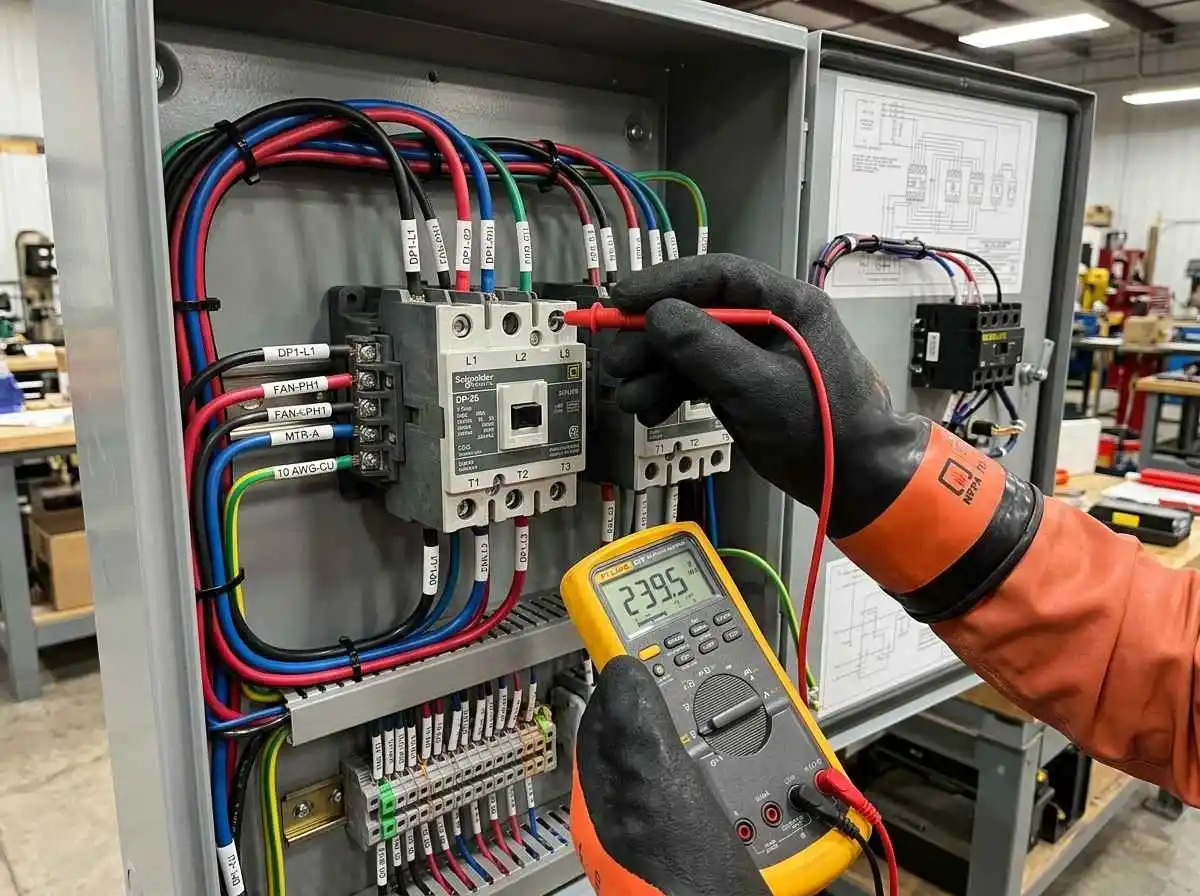
Heat Pump Water Heaters on Battery Backup: Sizing, Recovery Rates & Hybrid Modes

heat pump water heater battery backup

Water heating represents roughly 18% of an average home’s total energy footprint, ranking directly behind space heating and cooling as the largest continuous residential electrical draw. Traditional electric storage water heaters rely on dual resistive heating elements that demand 4,500W to 5,500W continuously. Running a standard resistive tank on an emergency battery backup will drain … Read more

Smart Load Shedding for Battery Backup: Sizing Relays & Automating Outages

smart load shedding battery backup

When utility grid power fails, even a generously sized residential battery bank faces immediate depletion if heavy 240V household appliances cycle on unchecked. Electric resistive water heaters, level-2 EV chargers, clothes dryers, and secondary air conditioning zones can silently consume 15 to 25 kilowatt-hours within a single afternoon, leaving critical medical equipment, refrigeration, and communications … Read more

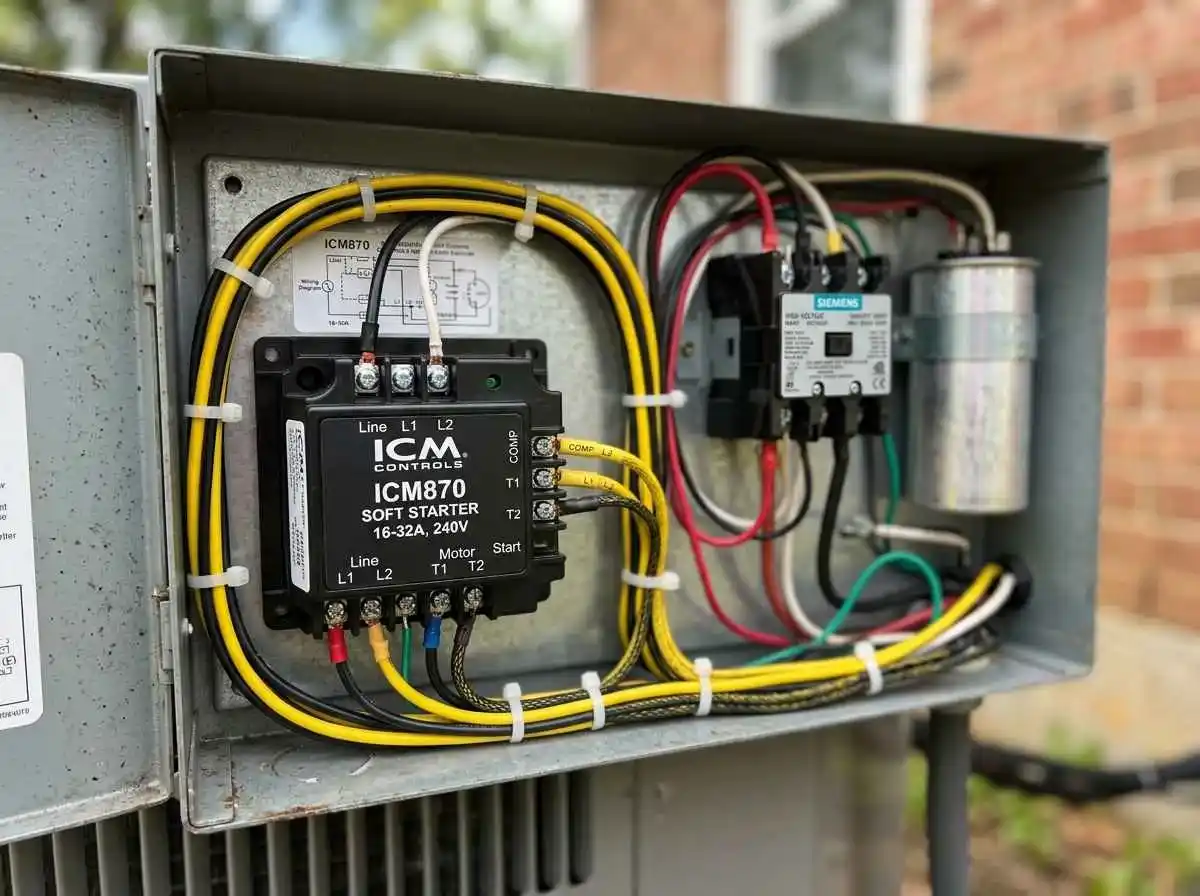
Soft Starter Sizing for AC and Heat Pumps on Battery Backup: LRA Reduction Guide

soft starter for ac on battery backup

Air conditioning compressors and modern heat pumps represent the single largest electrical hurdle when transitioning a home to off-grid battery backup. While a 3-ton central AC unit might only consume 3,000 to 3,500 running watts, starting that compressor from a complete dead stop requires an instantaneous surge of inductive current that can overwhelm even high-capacity … Read more

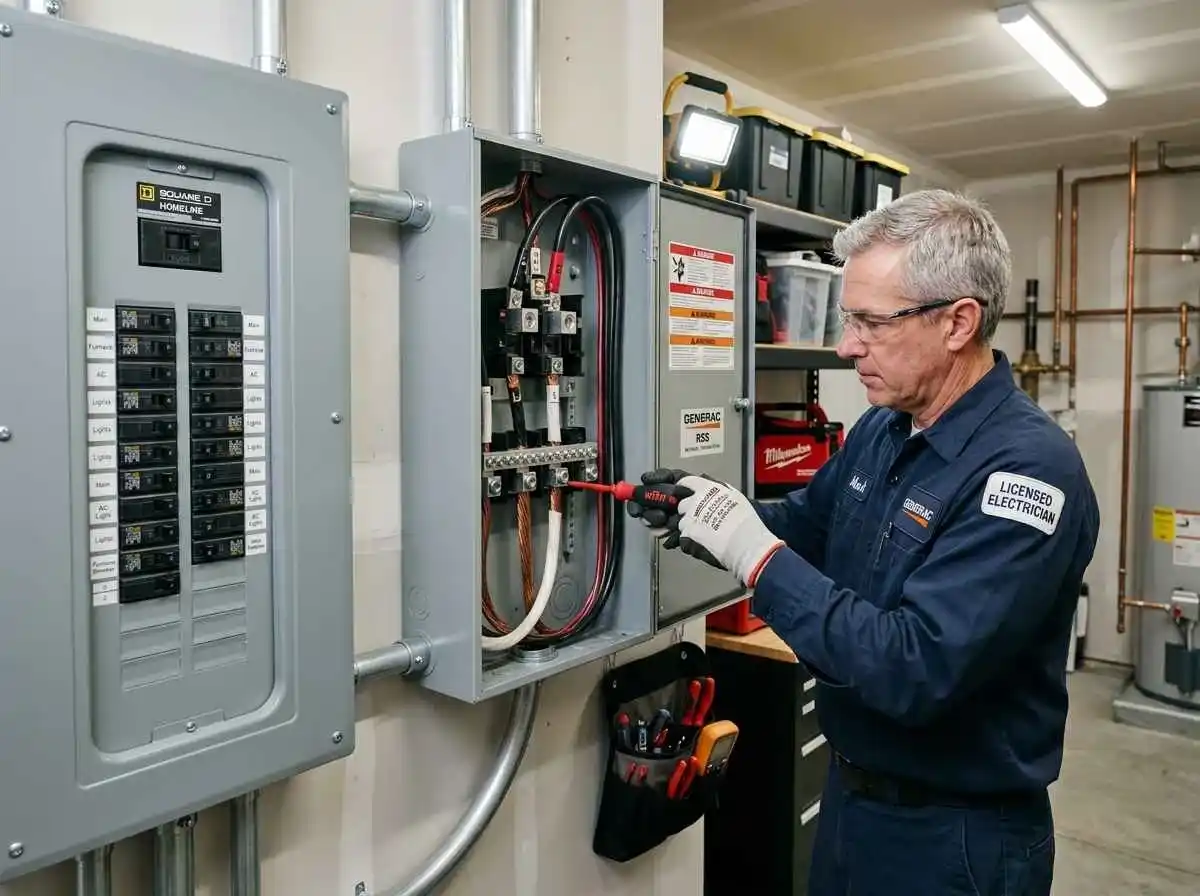
Transfer Switch Sizing for Home Battery Backup: Manual vs ATS Explained

transfer switch home battery backup

Connecting a multi-kilowatt battery inverter directly to your home’s electrical distribution without a physical isolation mechanism is both illegal and lethal. During a utility grid failure, energized residential circuits will backfeed power onto external neighborhood power lines, turning localized distribution transformers into step-up hazards that endanger utility linemen working down the street. To safely isolate … Read more

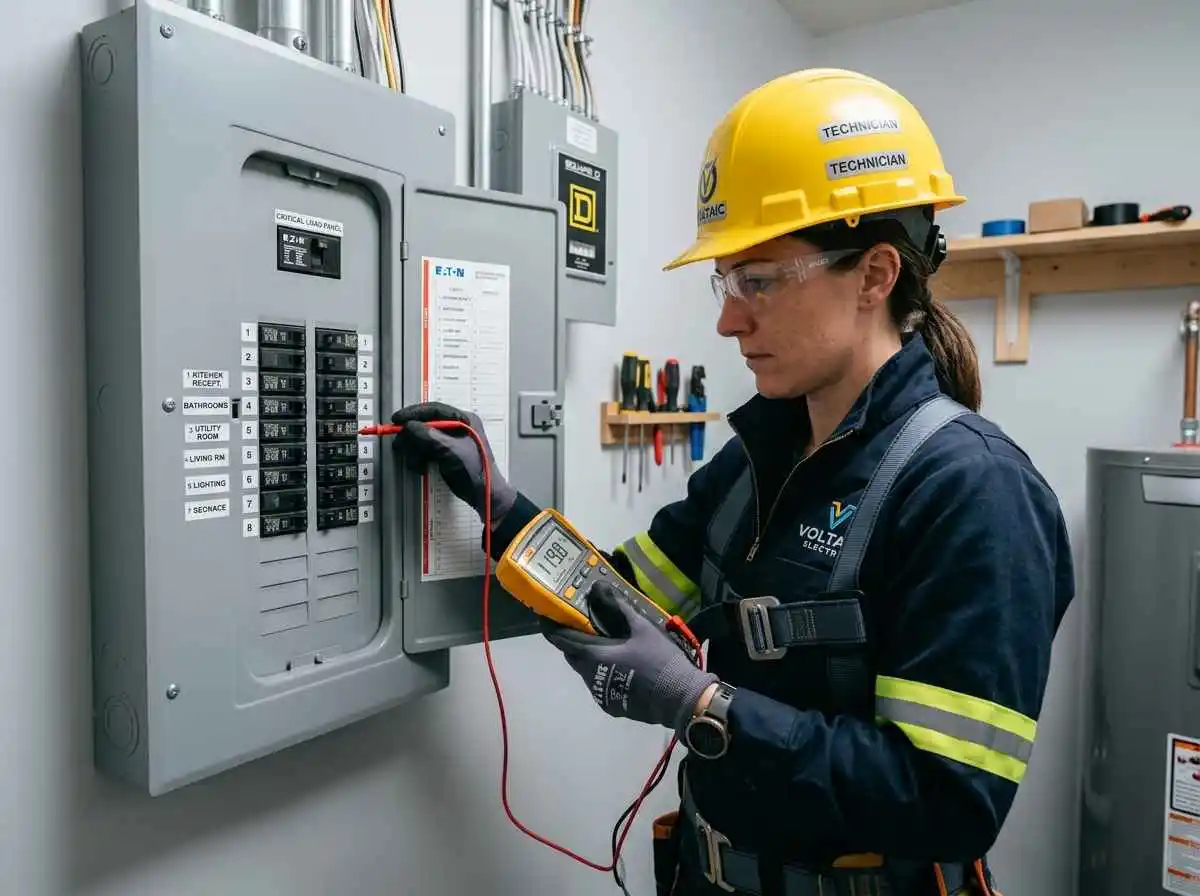
Whole-Home Energy Audit for Battery Sizing: Vampire Loads, Surge Watts, and Critical Load Subpanels

Home Efficiency

Investing thousands of dollars in a residential battery storage system without first conducting an aggressive electrical audit is the most expensive mistake a homeowner can make. If you simply aggregate the average monthly kilowatt-hours (kWh) reported on your utility bill, you will either vastly oversize your battery bank—wasting capital—or undersize your inverter, causing it to … Read more