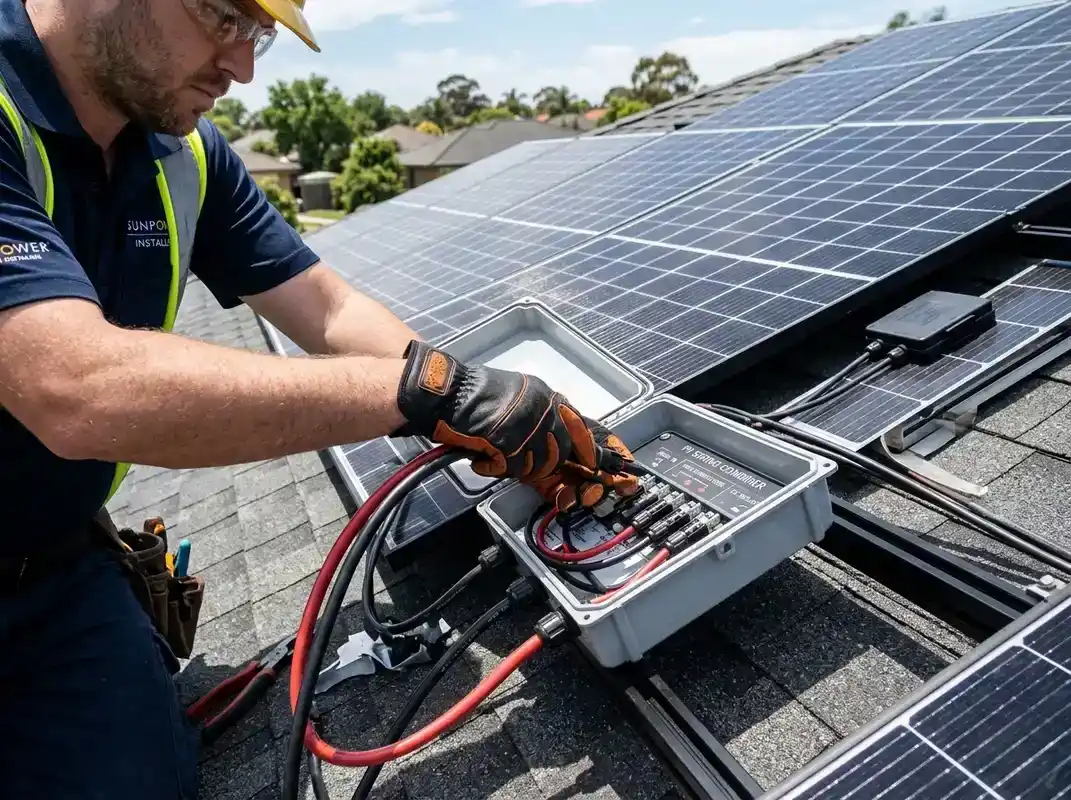
Solar Cable Sizing Math: PV Wire AWG, Thermal Derating & Conduit Fill Guide
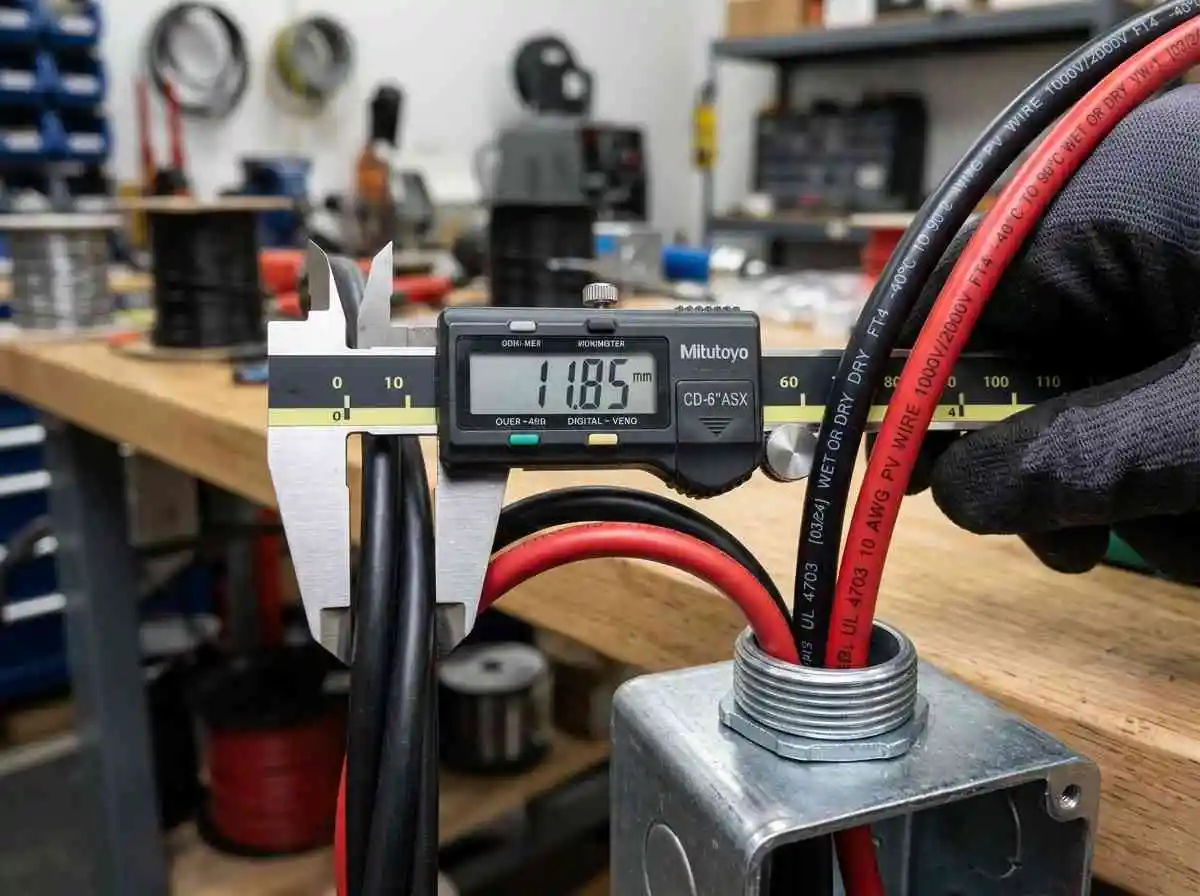
solar cable sizing pv wire

Direct current generated by photovoltaic modules must travel from high-temperature rooftop environments through protective conduit down to balance-of-system power electronics. If conductors are undersized or thermal derating factors are ignored, resistive heat buildup silently dissipates harvestable kilowatt-hours, induces premature insulation failure, and creates severe electrical fire hazards under sustained maximum power point currents. Sizing photovoltaic … Read more
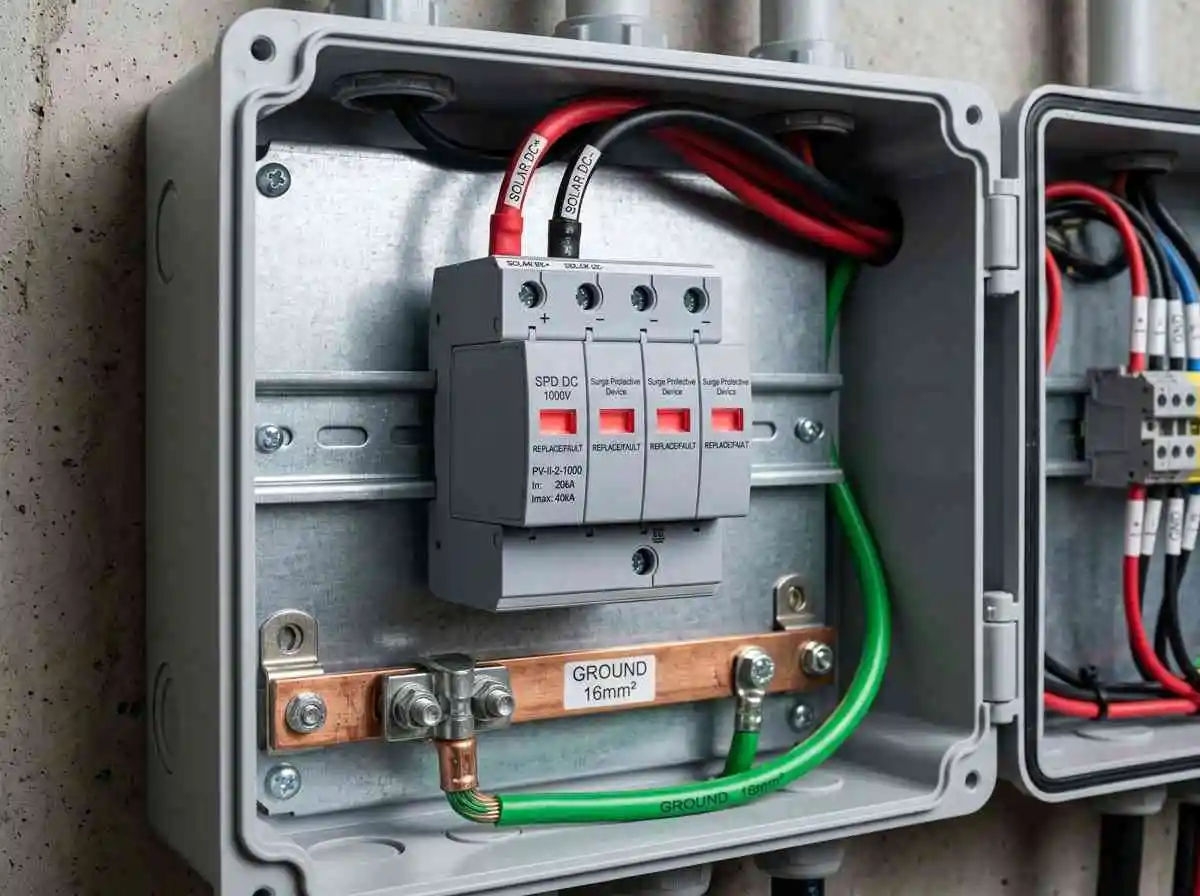
Solar Array Grounding and Surge Protection: Sizing SPDs & NEC 690 Rules

solar array grounding nec 690

Photovoltaic arrays installed on rooftops or open fields act as massive atmospheric antennas. While a direct lightning strike will vaporize conductors regardless of protection, more than 95% of lightning-induced electrical damage stems from indirect strikes: electromagnetic pulses (EMP) and ground potential rises that induce thousands of volts of destructive transient overvoltage into DC conductor loops. … Read more

AC-Coupled vs DC-Coupled Solar for Battery Backup: Microinverters Explained

ac coupled vs dc coupled solar

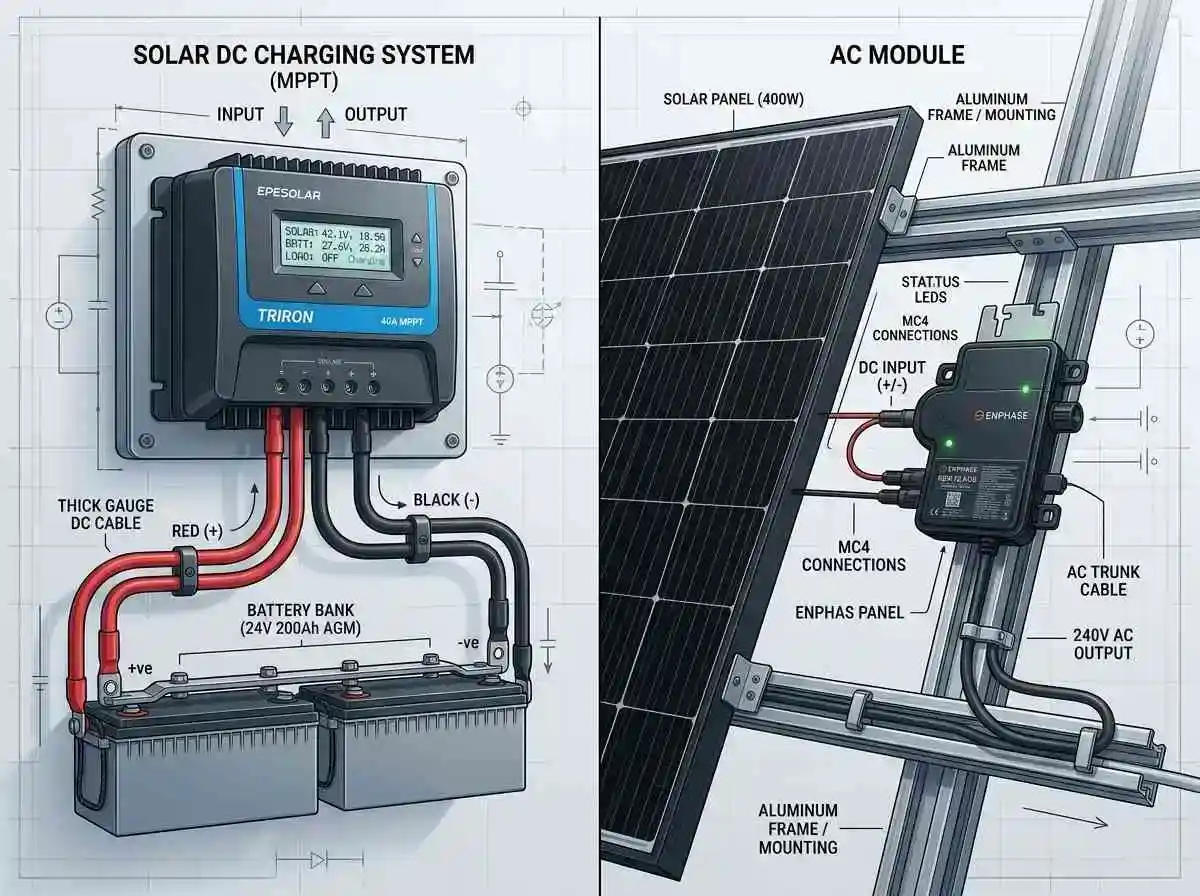
When engineering a residential solar array with battery storage, one of the most consequential design decisions is how to route the solar energy into the battery bank. Homeowners are generally presented with two distinct architectural pathways: DC-Coupled systems (utilizing traditional string panels and MPPT charge controllers) and AC-Coupled systems (utilizing roof-mounted microinverters). While microinverters dominate … Read more

Solar Panel Shading Math: Bypass Diodes, Hotspots, and Output Loss Explained

solar panel shading math

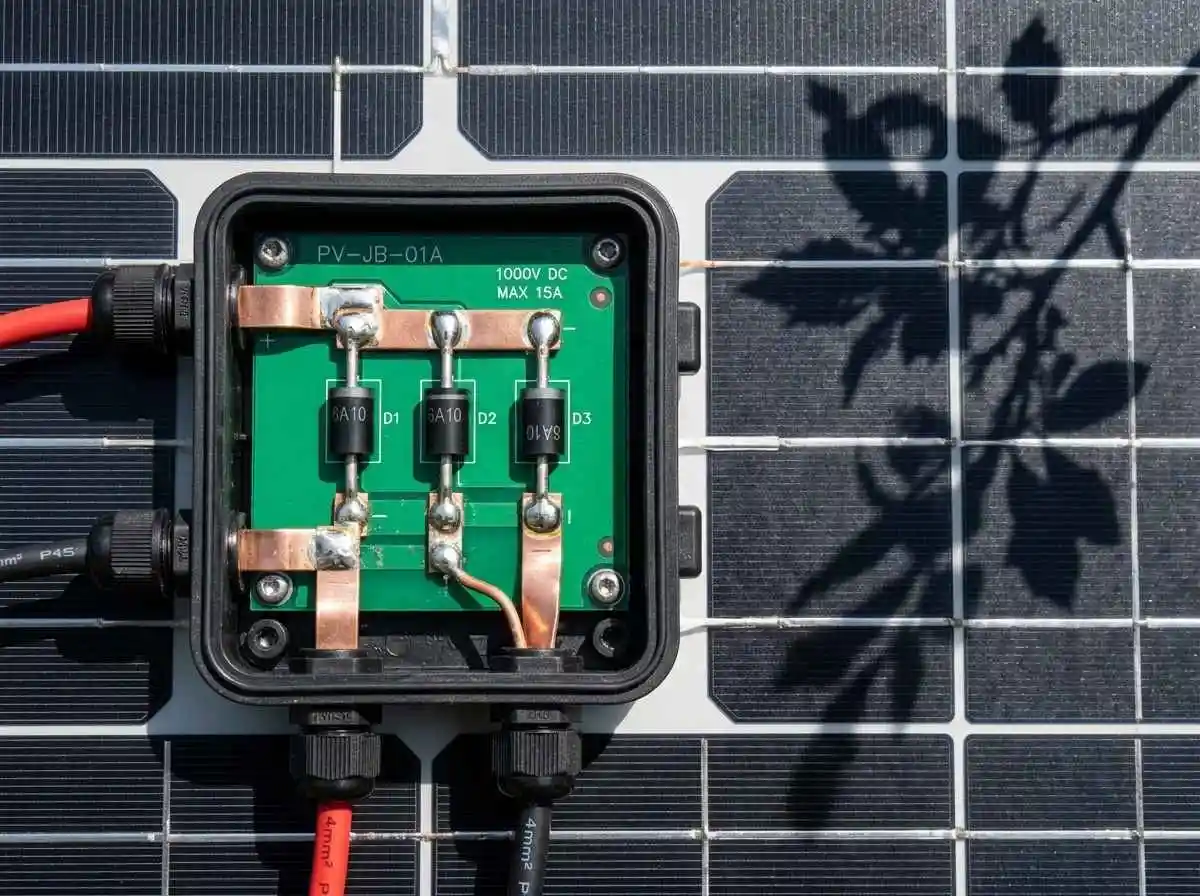
A common misconception among homeowners installing residential battery backup systems is that solar array shading behaves proportionally: if 10% of a photovoltaic module is covered by a tree branch or chimney shadow, the system loses 10% of its power output. In real-world electrical physics, even a tiny sliver of hard shade across a single solar … Read more

Ground Mount vs Rooftop Solar for Battery Backup: Cost, Angle & Math Guide

ground mount vs rooftop solar

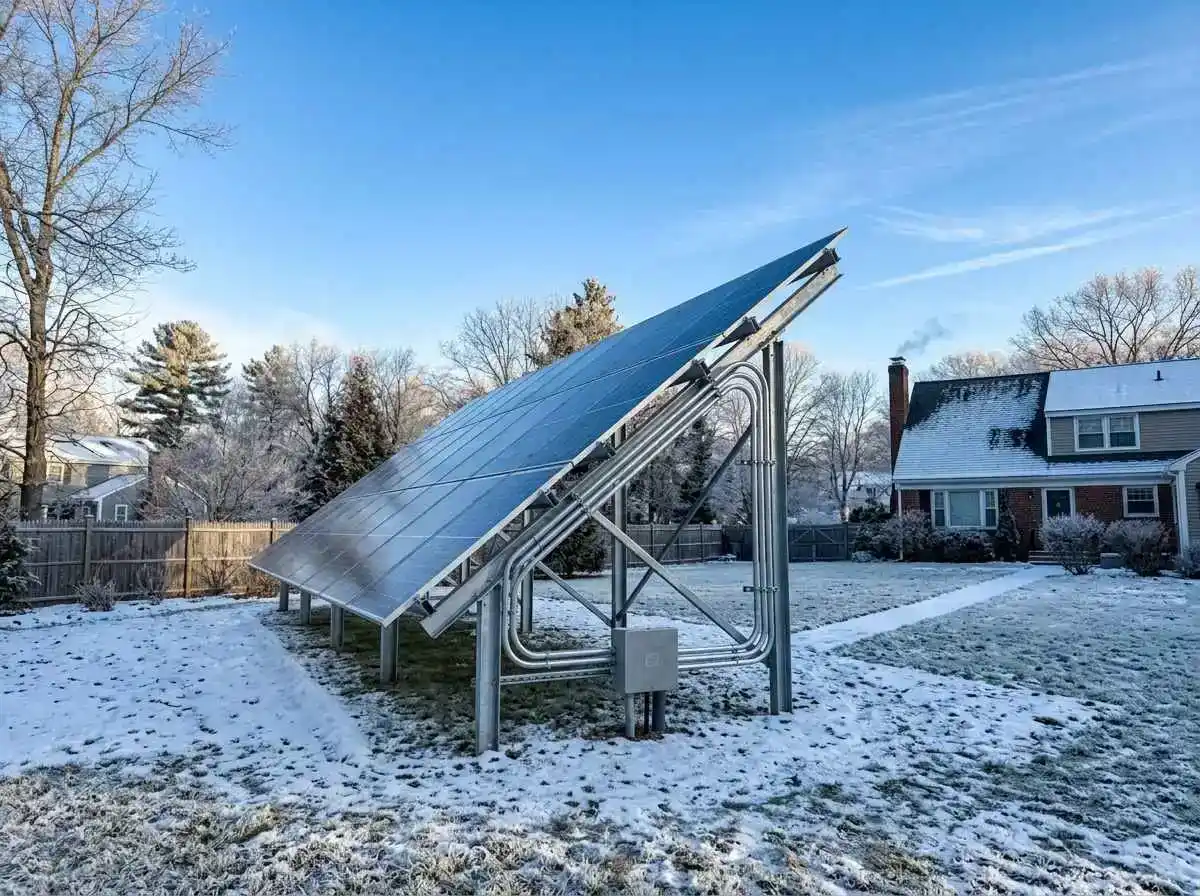
When engineering a residential solar array designed specifically to keep a battery backup bank charged through grid outages, where you mount your photovoltaic (PV) modules dictates total energy harvest. While rooftop installations represent the standard residential choice due to space constraints, ground-mounted arrays offer thermodynamic and geometric advantages that can make or break winter battery … Read more

Solar DC Isolator and Rapid Shutdown Sizing: NEC 690 Compliance Guide

solar dc isolator switch

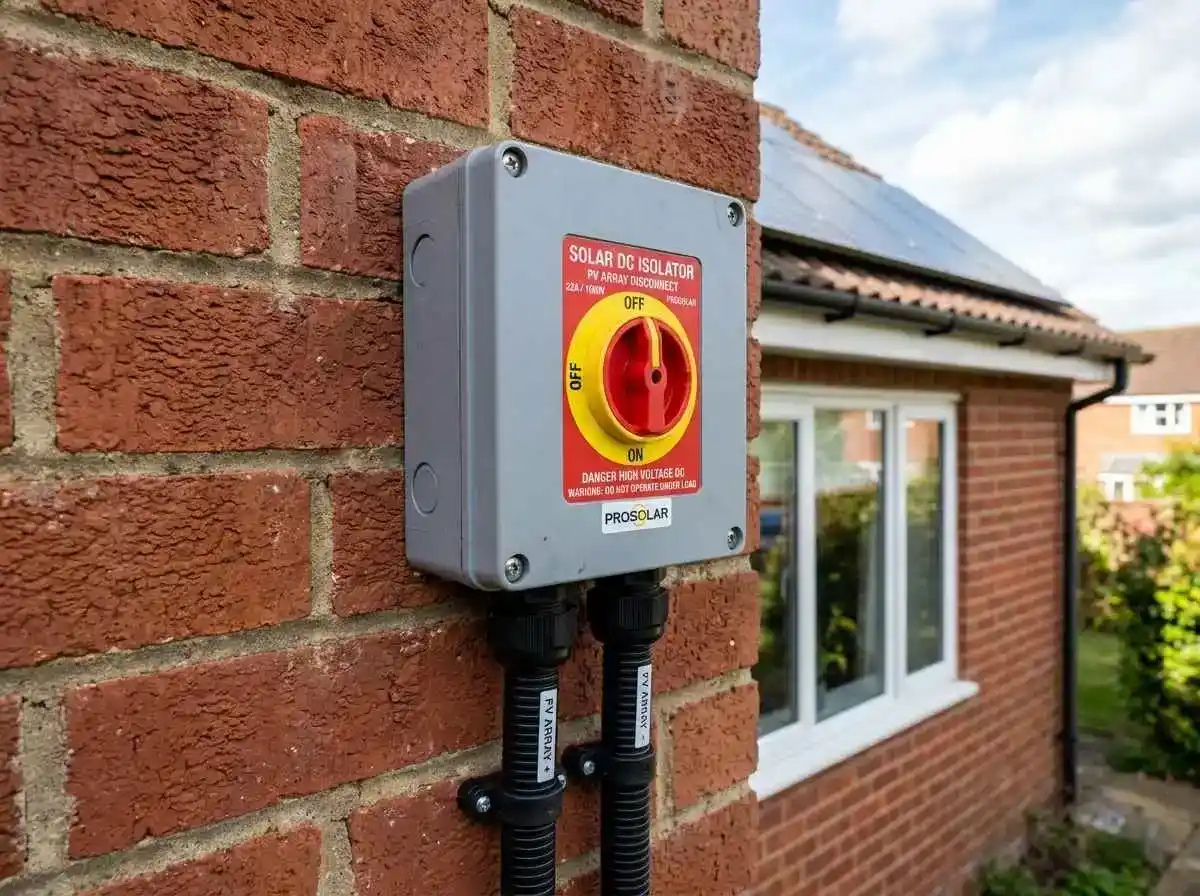
Direct current (DC) generated by photovoltaic arrays does not cross a zero-voltage threshold dozens of times per second like alternating current (AC). Consequently, an electrical arc formed in a high-voltage DC string will not extinguish on its own; it burns continuously, melting conduit boxes and posing severe structural fire hazards if interrupted with improper switchgear. … Read more

How to Size an MPPT Solar Charge Controller for 48V Systems (Calculations & Safety Margins)

solar charge controller

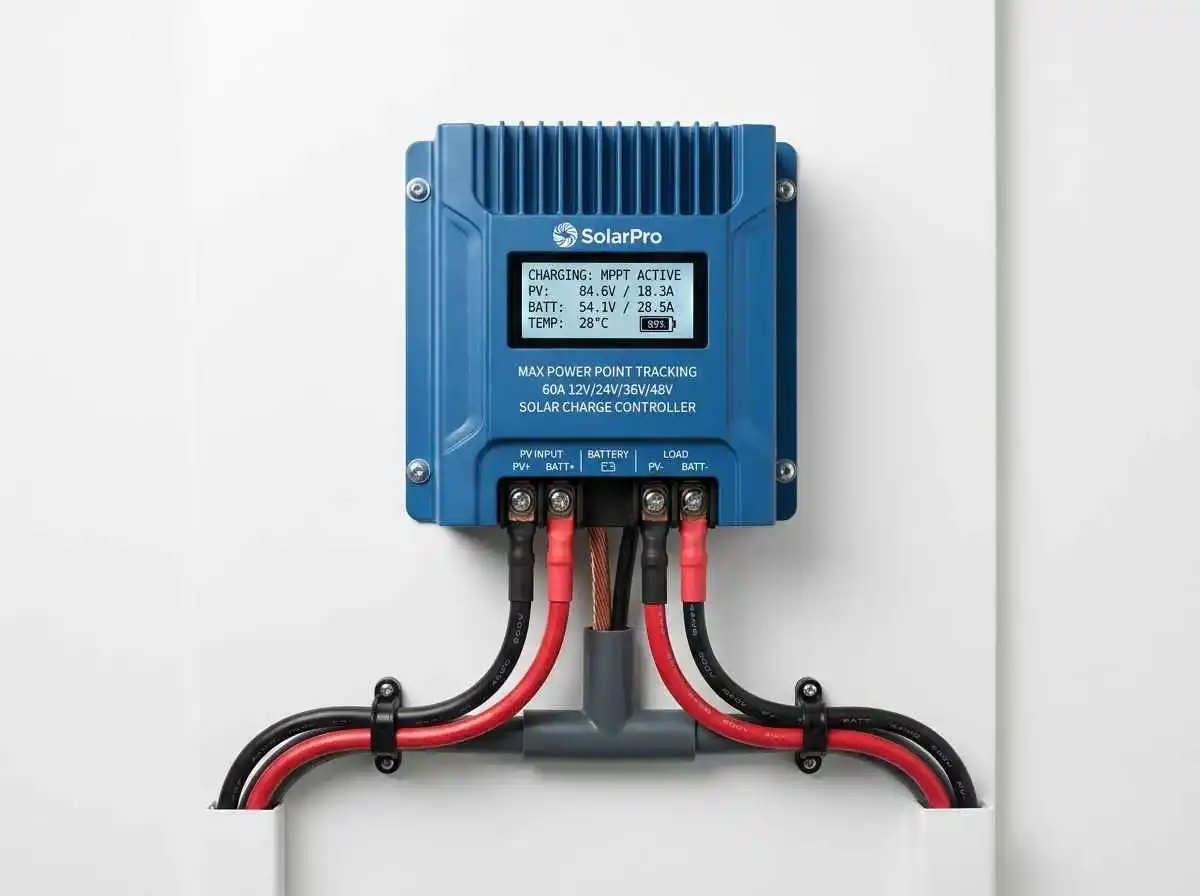
Selecting an undersized Maximum Power Point Tracking (MPPT) charge controller bottlenecks your entire solar array, leaving valuable energy unharvested on peak sunny days. Conversely, selecting an oversized controller needlessly drains your budget on unused current capacity. Worse still, miscalculating maximum input voltage risks catastrophic electronic failure the first time winter temperatures drop. Unlike legacy Pulse … Read more

DIY Solar Panel Wiring for Battery Backup: Series vs Parallel Explained

DIY Solar Panel Wiring for Battery Backup: Series vs Parallel Explained

Wiring solar panels incorrectly is the most common reason DIY home backup systems fail before the first grid outage. While connecting photovoltaic (PV) modules seems as simple as snapping MC4 connectors together, choosing between series, parallel, or a hybrid series-parallel array fundamentally dictates your system’s operating efficiency, wire gauge requirements, and inverter safety. An improper … Read more