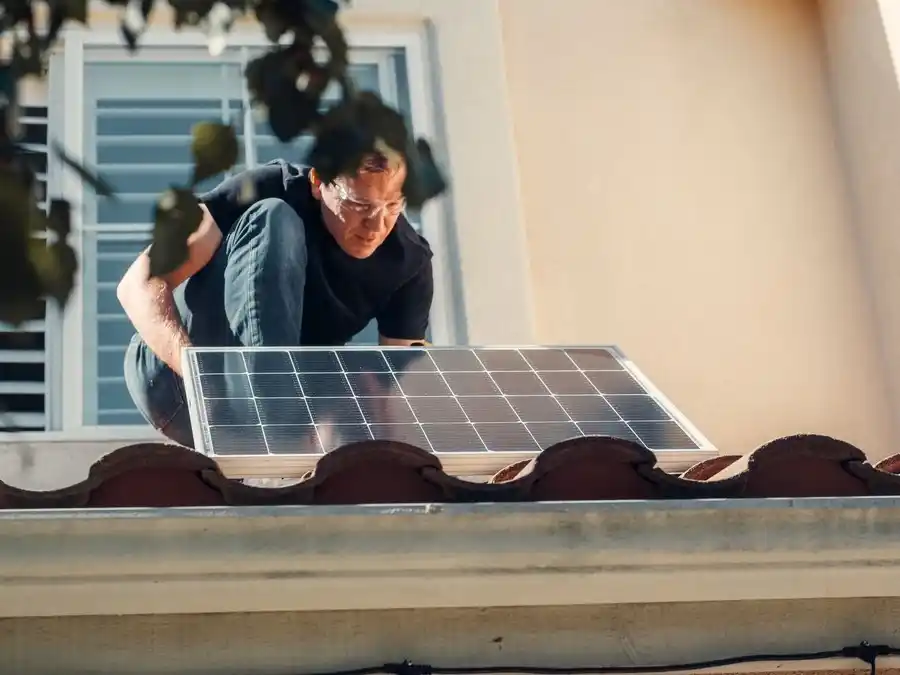
Critical Loads Subpanel Wiring: Neutral-Ground & NEC 250 Guide
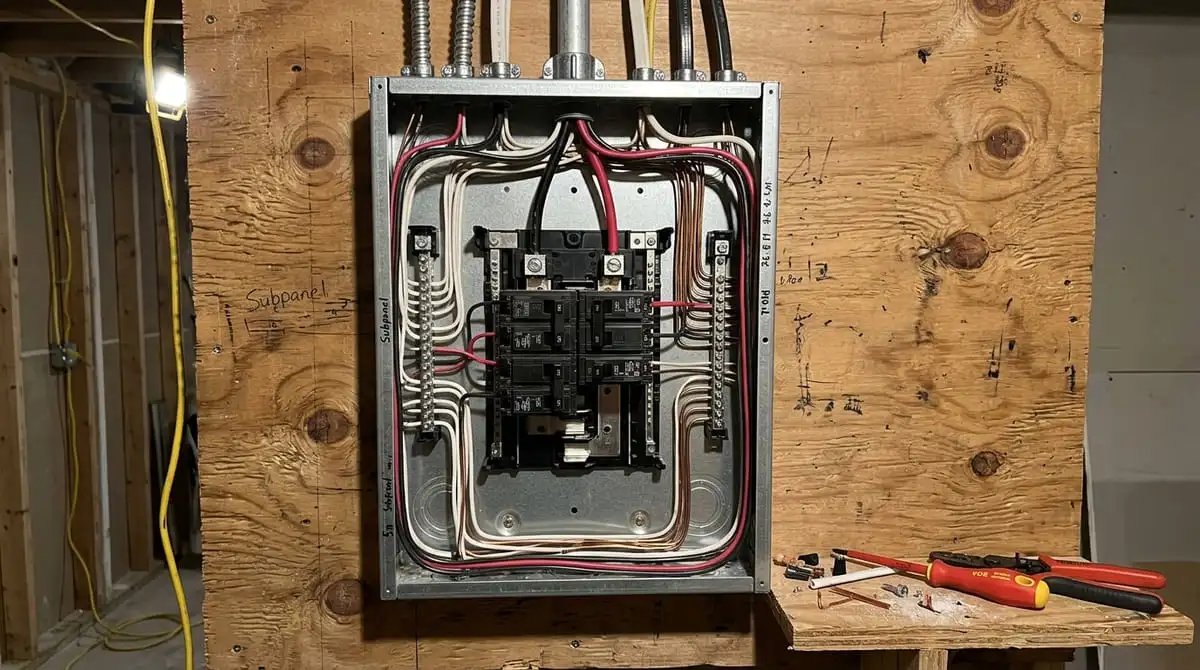
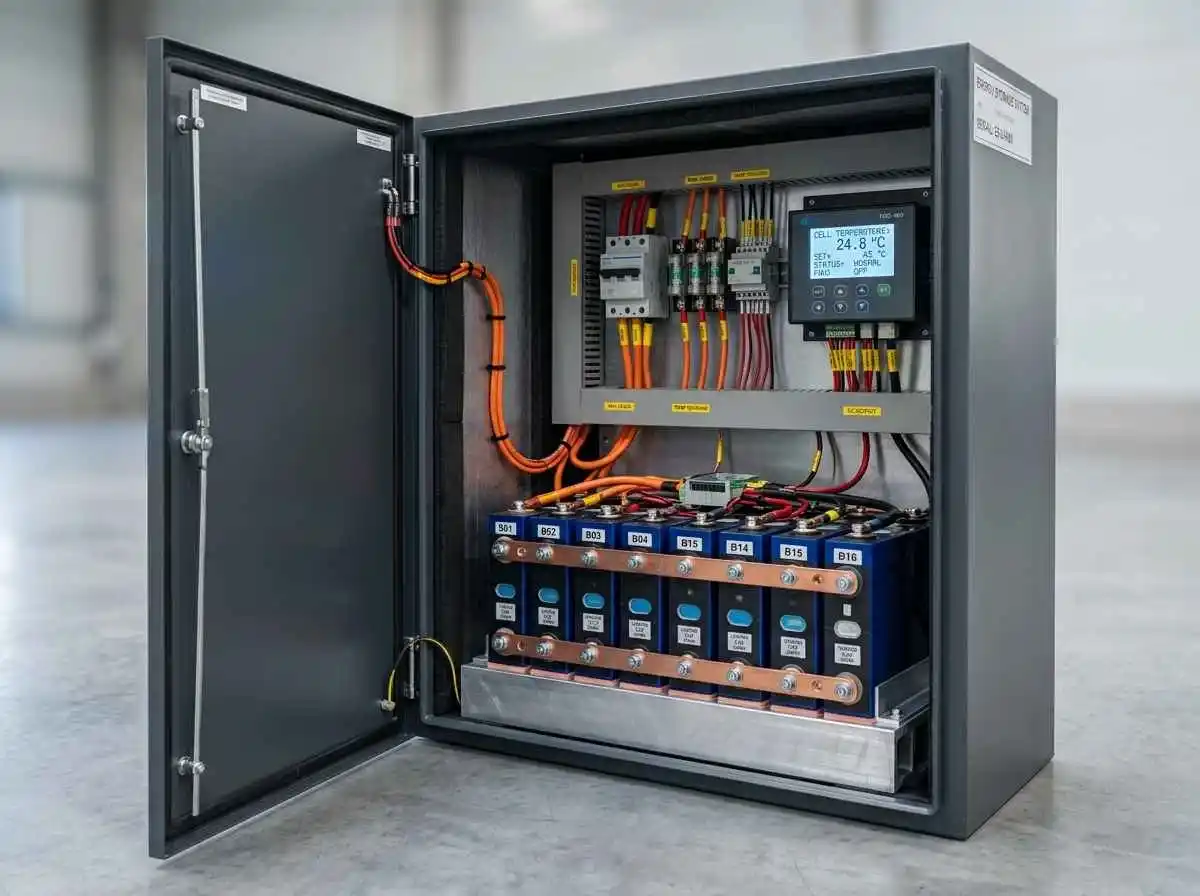
Interior view of a residential critical loads subpanel showing separated neutral and equipment grounding busbars per NEC 250

Critical Loads Subpanel Wiring: Neutral-Ground Bonding & NEC 250 Guide Feeding a dedicated critical loads subpanel from a hybrid inverter looks simple on paper until an unintended second neutral-ground bond trips upstream GFCI breakers, electrifies metal conduits, or destroys sensitive electronics. Creating an accidental parallel return path between your main electrical service panel and your … Read more
LiFePO4 Calendar vs Cycle Degradation: Float Voltage & DoD Sizing Guide

lifepo4 calendar vs cycle degradation

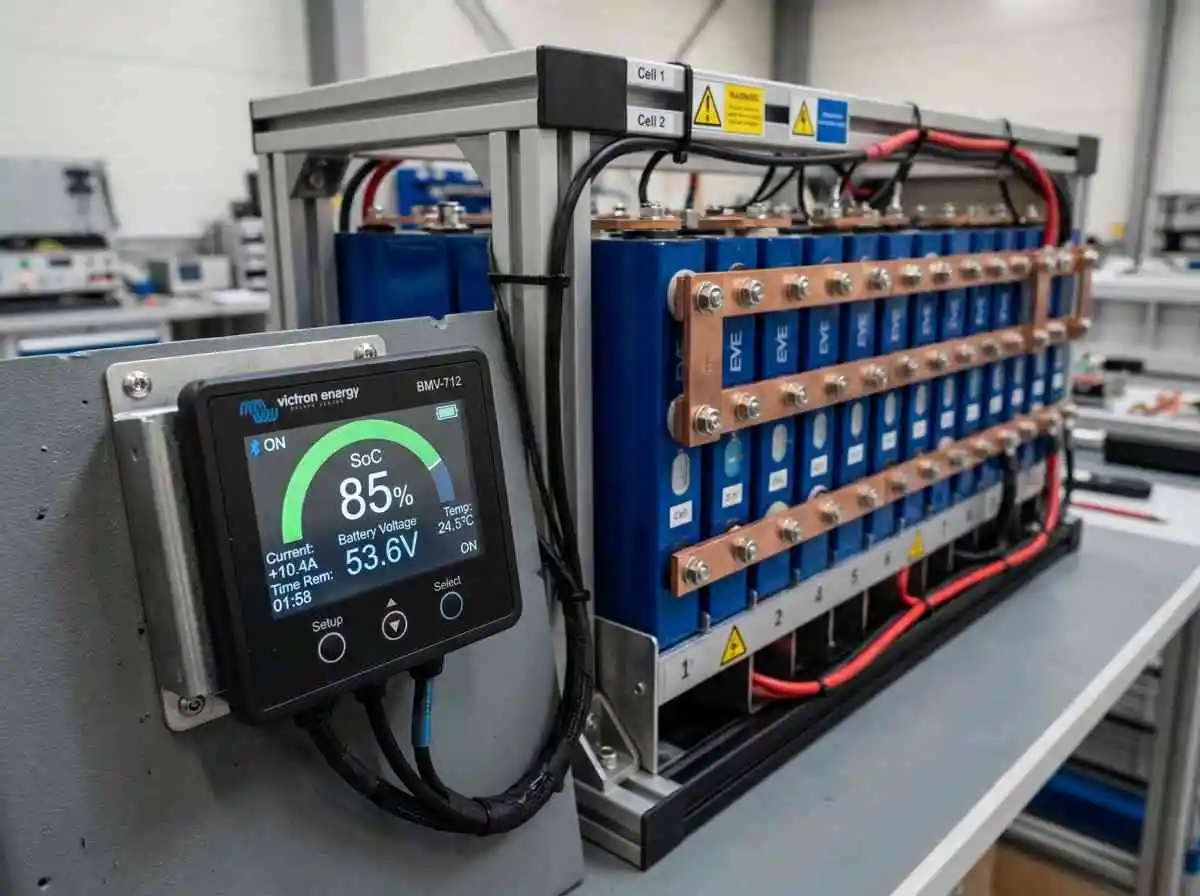
Lithium Iron Phosphate (LiFePO4) has rightfully earned its reputation as the most durable chemistry for residential energy storage, frequently marketed with promises of “6,000+ cycles to 80% capacity.” However, in real-world stationary residential installations, standard cycle life represents only half of the aging equation. A battery sitting fully saturated at elevated voltages experiences degradation even … Read more

Inverter Surge Wattage Math and DC Cable Voltage Drop Calculations (48V Systems)

dc cable voltage drop 48v

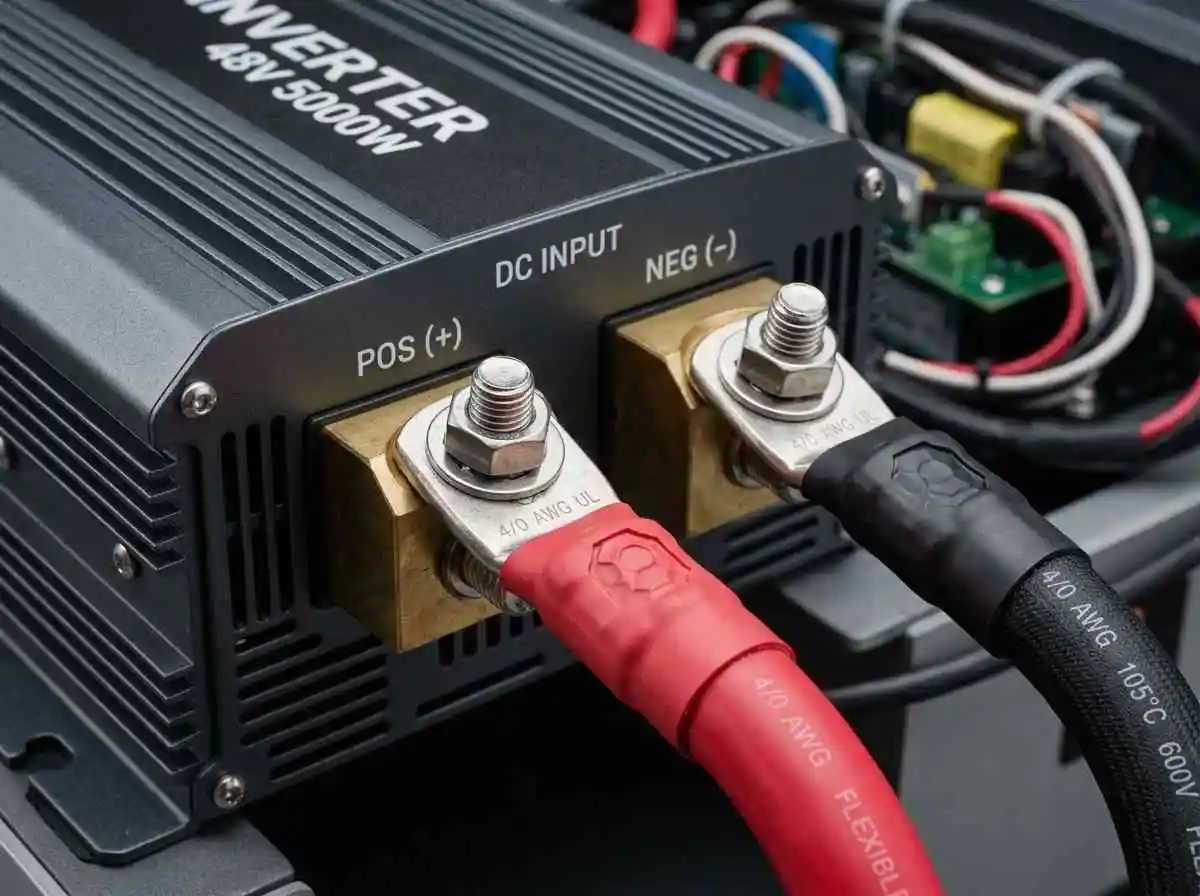
An off-grid battery inverter functions as the electrical heart of a residential power system, transforming low-voltage direct current (DC) from your battery bank into stable 120V/240V alternating current (AC). However, an inverter is only as dependable as the DC cabling feeding its input terminals. Undersized conductors or loose terminal lugs introduce resistance, triggering destructive voltage … Read more

Cold Weather LiFePO4 Protection: Sizing Heating Pads and Thermal Enclosures

cold weather lifepo4 protection

While Lithium Iron Phosphate (LiFePO4) chemistry offers exceptional cycle life and thermal stability, it possesses one critical electrochemical vulnerability: an absolute intolerance to charging at or below freezing temperatures (0°C / 32°F). While discharging remains chemically viable down to -20°C (-4°F) with moderate capacity derating, forcing charge current into frozen cells induces catastrophic, irreversible lithium … Read more

How to Choose and Size a BMS for 48V LiFePO4 Battery Banks

battery management system

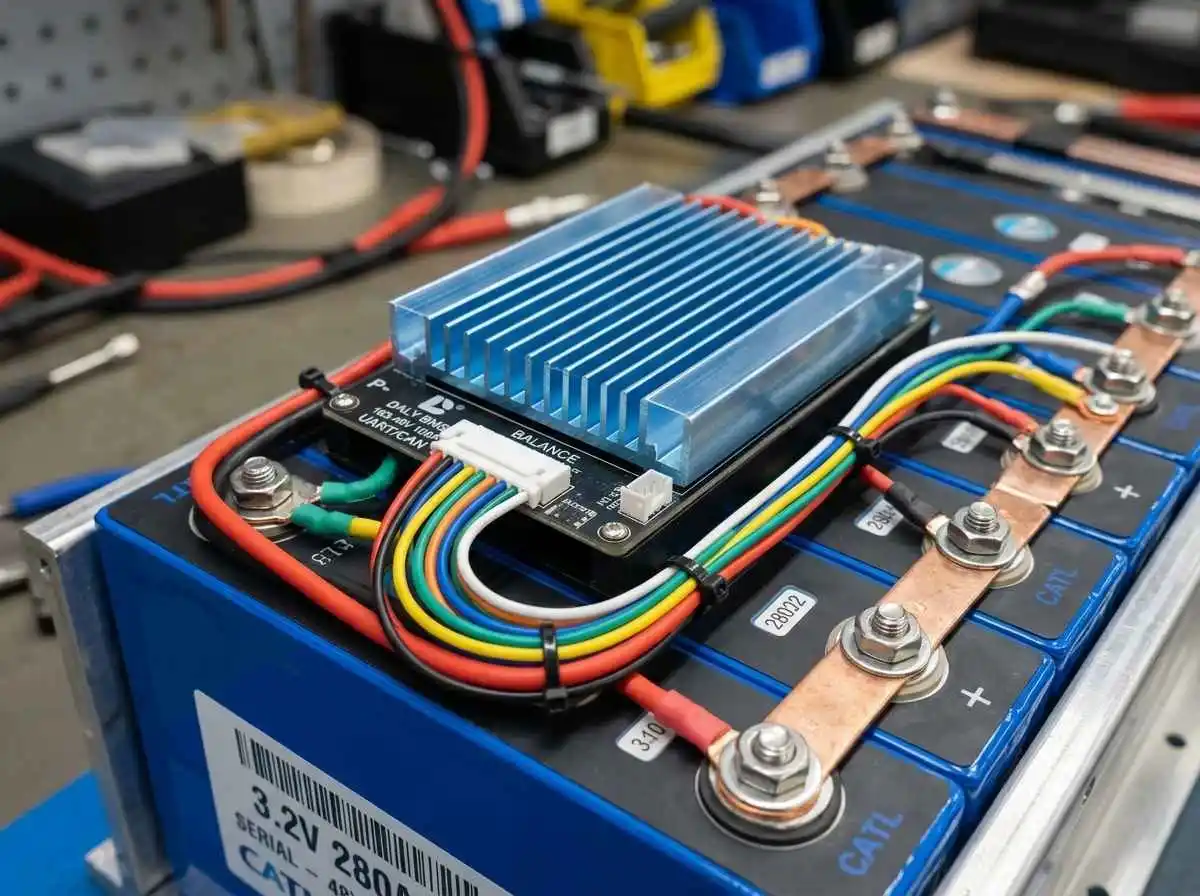
A lithium iron phosphate (LiFePO4) cell without a Battery Management System (BMS) is an accident waiting to happen. While LiFePO4 chemistry is inherently more stable than cobalt-based lithium variants, individual prismatic cells operate within strict electrochemical tolerances. Exceeding continuous discharge limits, overcharging beyond cell saturation, or drawing current below freezing temperatures will permanently degrade capacity … Read more

Busbar Sizing and Fuse Selection for 48V DIY Battery Systems (Class T vs ANL)

class t vs anl fuse battery

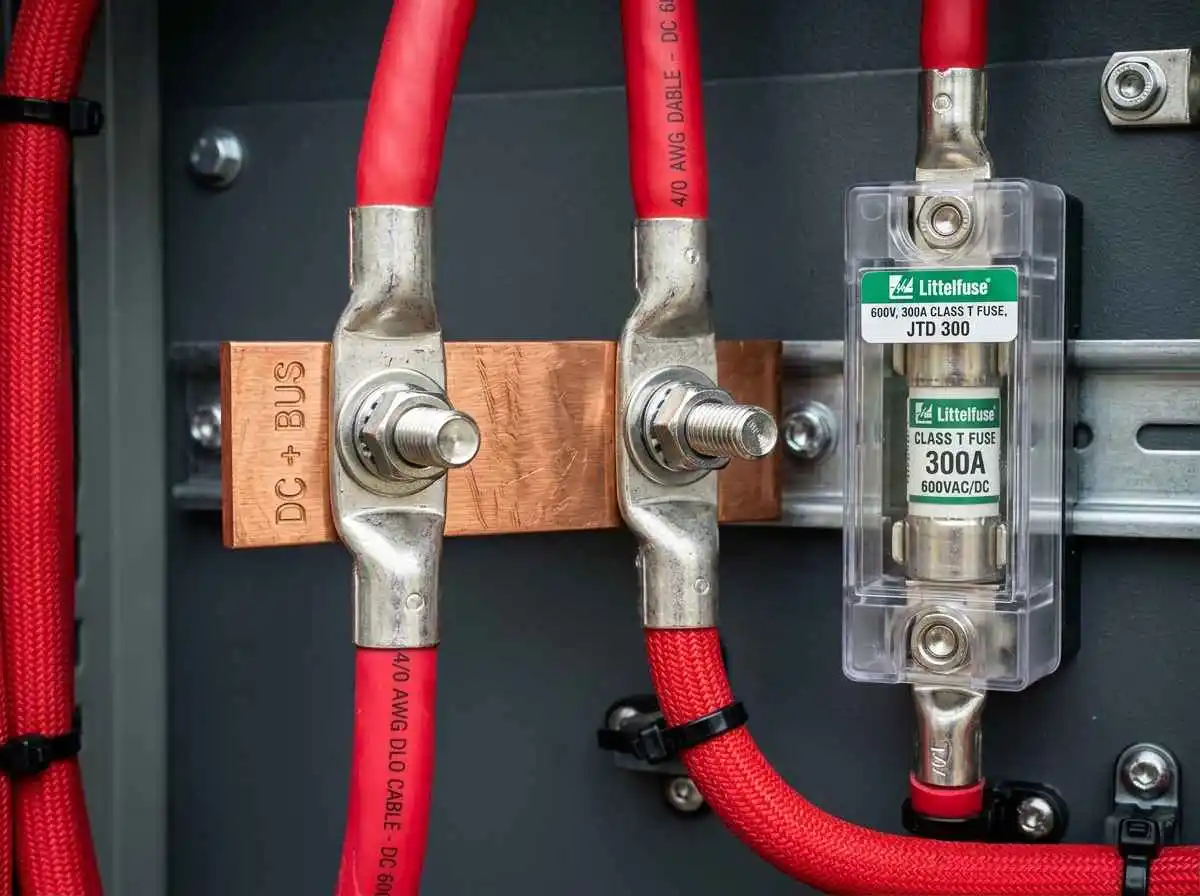
When building a high-capacity 48V lithium iron phosphate (LiFePO4) energy storage system, mechanical connections and overcurrent protective devices (OCPD) are frequently treated as afterthoughts. Homeowners often spend thousands on server-rack battery modules and hybrid inverters, only to bottleneck the system with undersized copper bars or dangerous, slow-blow automotive fuses. A dead short on a 48V, … Read more

LiFePO4 vs Lead-Acid for Home Backup: Real Cost, Usable Capacity, and Lifespan Breakdown

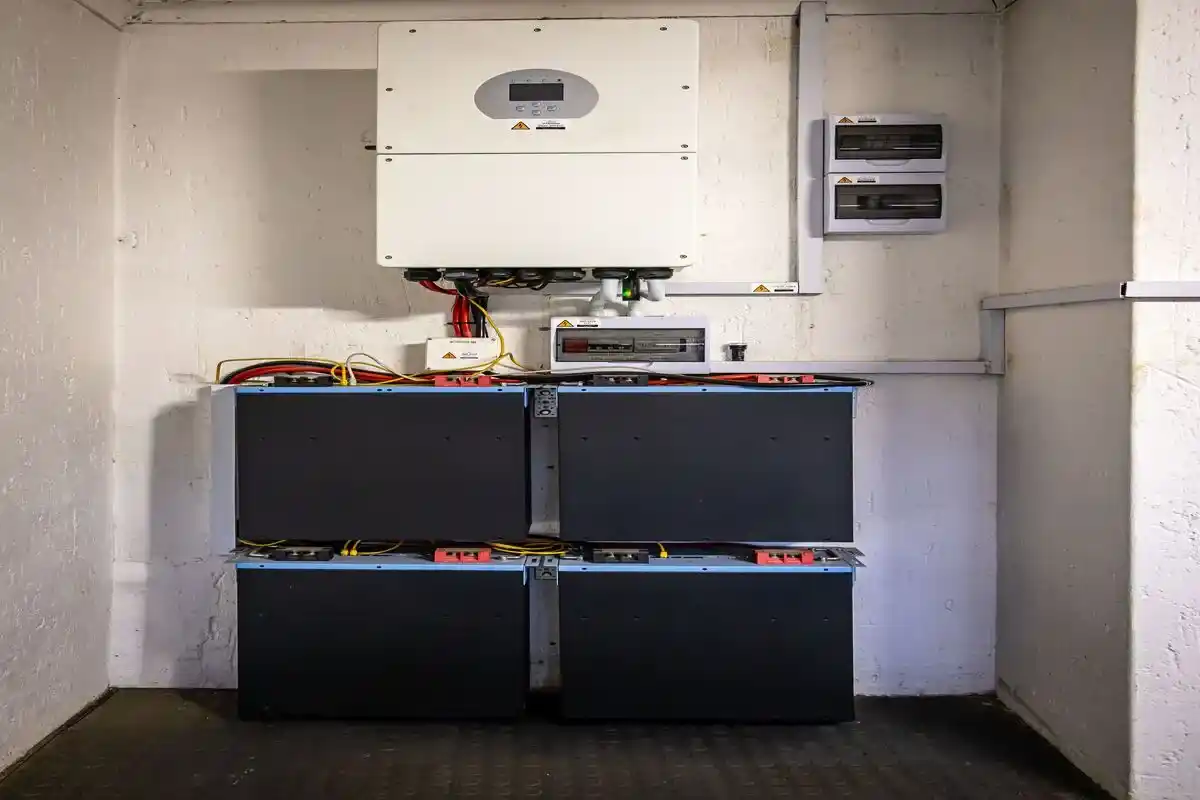
Residential home backup battery bank with hybrid inverter wiring

A 10 kWh lead-acid battery bank costs nearly half as much upfront as a lithium setup, leading many homeowners to think they landed a bargain. That initial discount disappears the first time a grid outage demands heavy split-phase loads, draining the bank faster than expected while cutting its lifespan in half. Lead-acid and Lithium Iron … Read more

How to Size a 48V LiFePO4 Battery Bank for Home Backup (Sizing Guide & Math)

48V LiFePO4 battery bank for home backup

A 10 kW hybrid inverter will not save your food or run your well pump during an ice storm if your battery bank empties in four hours. Most homeowners undersize their storage because they tally appliance nameplates and ignore inverter idle draw, surge currents, and DC conversion losses. Stepping up to a 48V nominal DC … Read more