Critical Loads Subpanel Wiring: Neutral-Ground & NEC 250 Guide
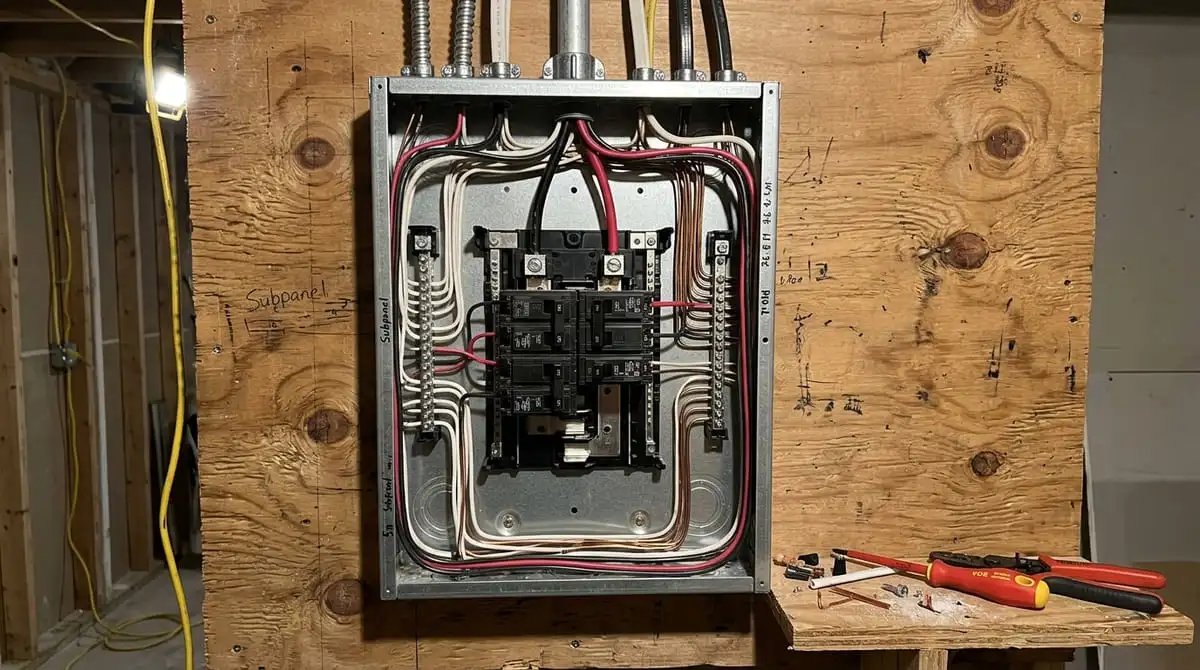
Interior view of a residential critical loads subpanel showing separated neutral and equipment grounding busbars per NEC 250

Critical Loads Subpanel Wiring: Neutral-Ground Bonding & NEC 250 Guide Feeding a dedicated critical loads subpanel from a hybrid inverter looks simple on paper until an unintended second neutral-ground bond trips upstream GFCI breakers, electrifies metal conduits, or destroys sensitive electronics. Creating an accidental parallel return path between your main electrical service panel and your … Read more
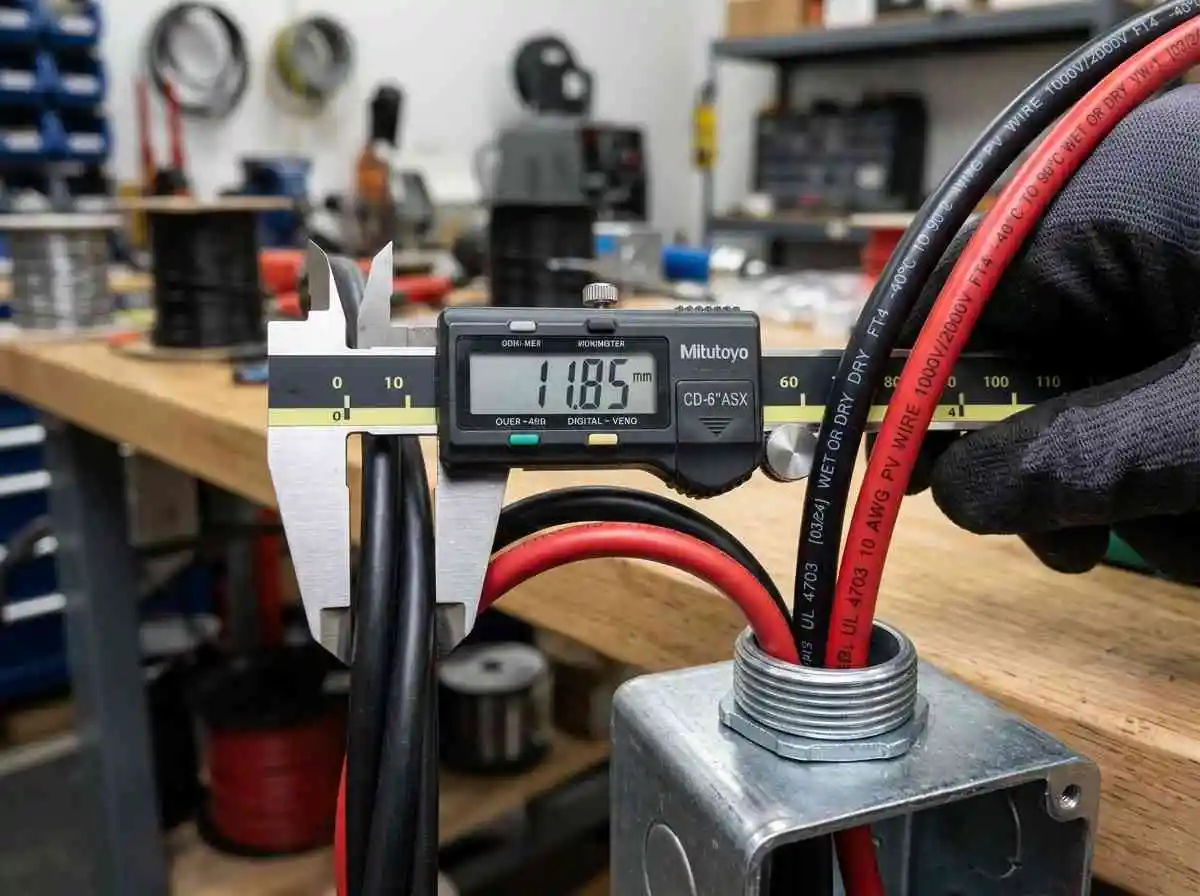
Solar Cable Sizing Math: PV Wire AWG, Thermal Derating & Conduit Fill Guide

solar cable sizing pv wire

Direct current generated by photovoltaic modules must travel from high-temperature rooftop environments through protective conduit down to balance-of-system power electronics. If conductors are undersized or thermal derating factors are ignored, resistive heat buildup silently dissipates harvestable kilowatt-hours, induces premature insulation failure, and creates severe electrical fire hazards under sustained maximum power point currents. Sizing photovoltaic … Read more

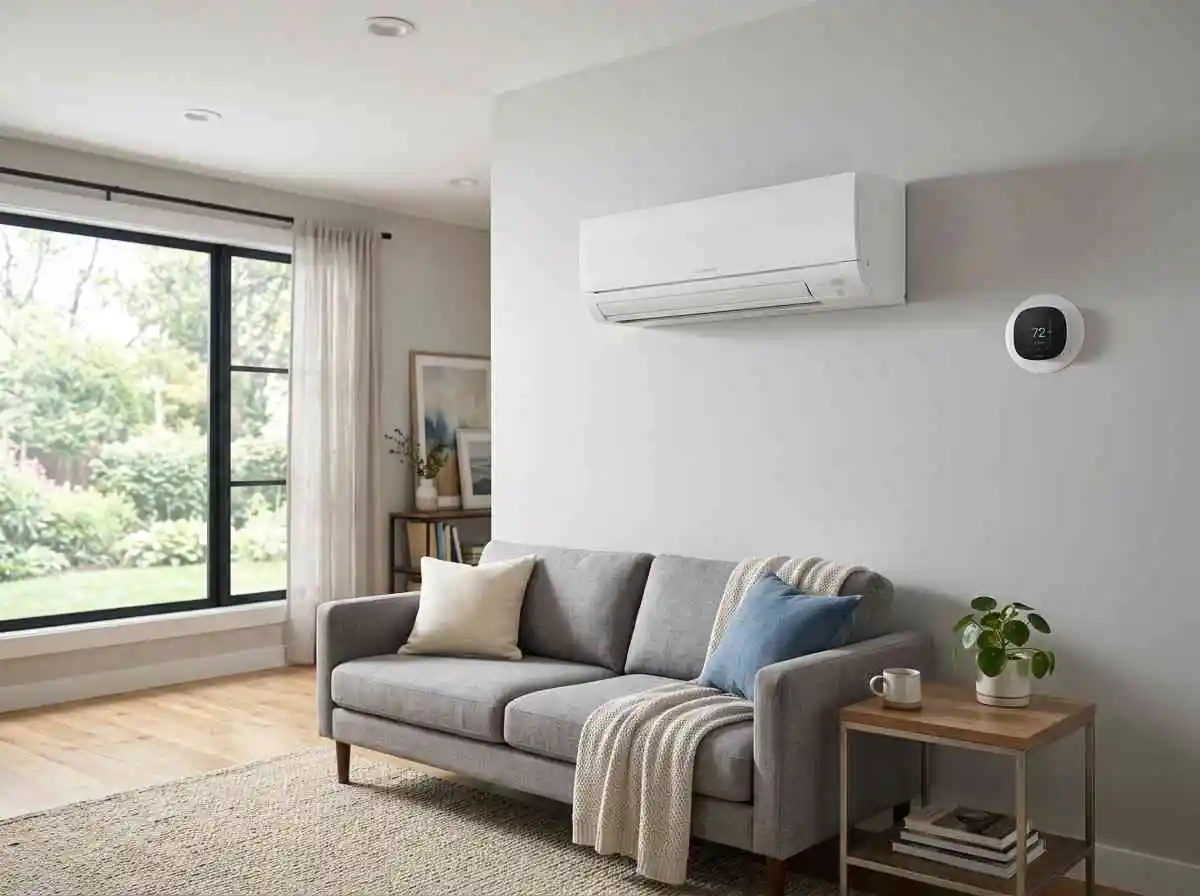
Mini-Split Sizing for Battery Backup: Inverter Variable-Speed vs Central AC

mini split sizing battery backup

Maintaining indoor climate control during an extended electrical outage is often the deciding factor between comfortably sheltering in place and abandoning a home. However, space cooling and heating represent the single most demanding electrical loads in residential architecture. Running a conventional single-stage central air conditioning system on battery storage frequently proves unviable due to massive … Read more

Solar Array Grounding and Surge Protection: Sizing SPDs & NEC 690 Rules

solar array grounding nec 690

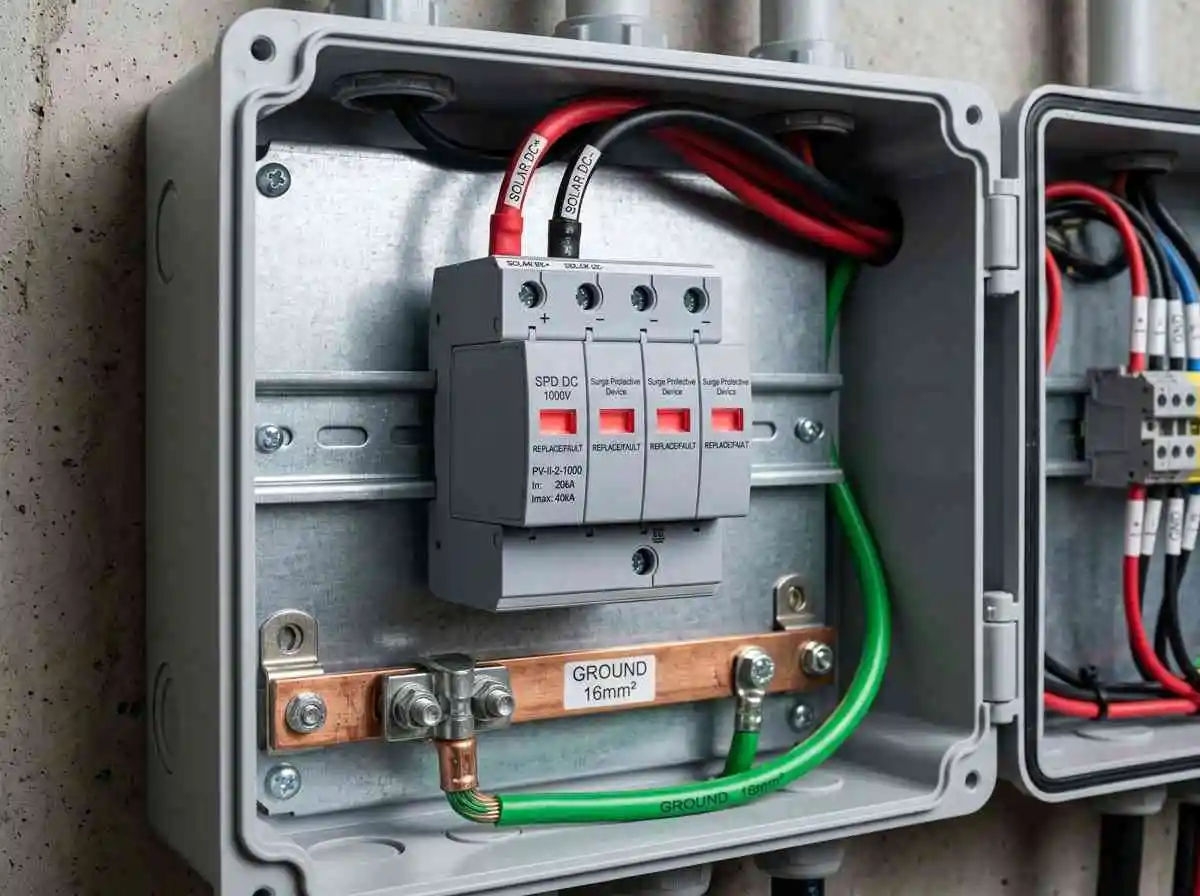
Photovoltaic arrays installed on rooftops or open fields act as massive atmospheric antennas. While a direct lightning strike will vaporize conductors regardless of protection, more than 95% of lightning-induced electrical damage stems from indirect strikes: electromagnetic pulses (EMP) and ground potential rises that induce thousands of volts of destructive transient overvoltage into DC conductor loops. … Read more

LiFePO4 Calendar vs Cycle Degradation: Float Voltage & DoD Sizing Guide

lifepo4 calendar vs cycle degradation

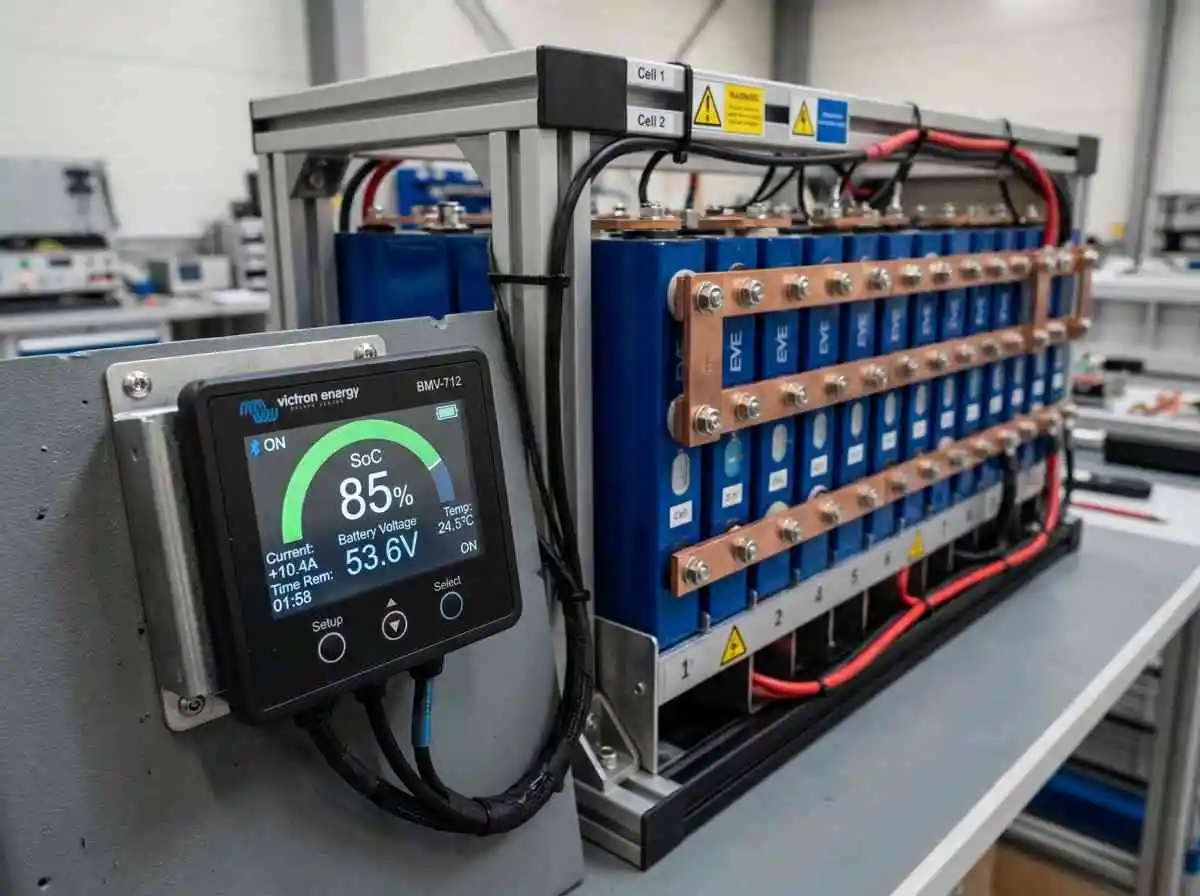
Lithium Iron Phosphate (LiFePO4) has rightfully earned its reputation as the most durable chemistry for residential energy storage, frequently marketed with promises of “6,000+ cycles to 80% capacity.” However, in real-world stationary residential installations, standard cycle life represents only half of the aging equation. A battery sitting fully saturated at elevated voltages experiences degradation even … Read more

AC-Coupled vs DC-Coupled Solar for Battery Backup: Microinverters Explained

ac coupled vs dc coupled solar

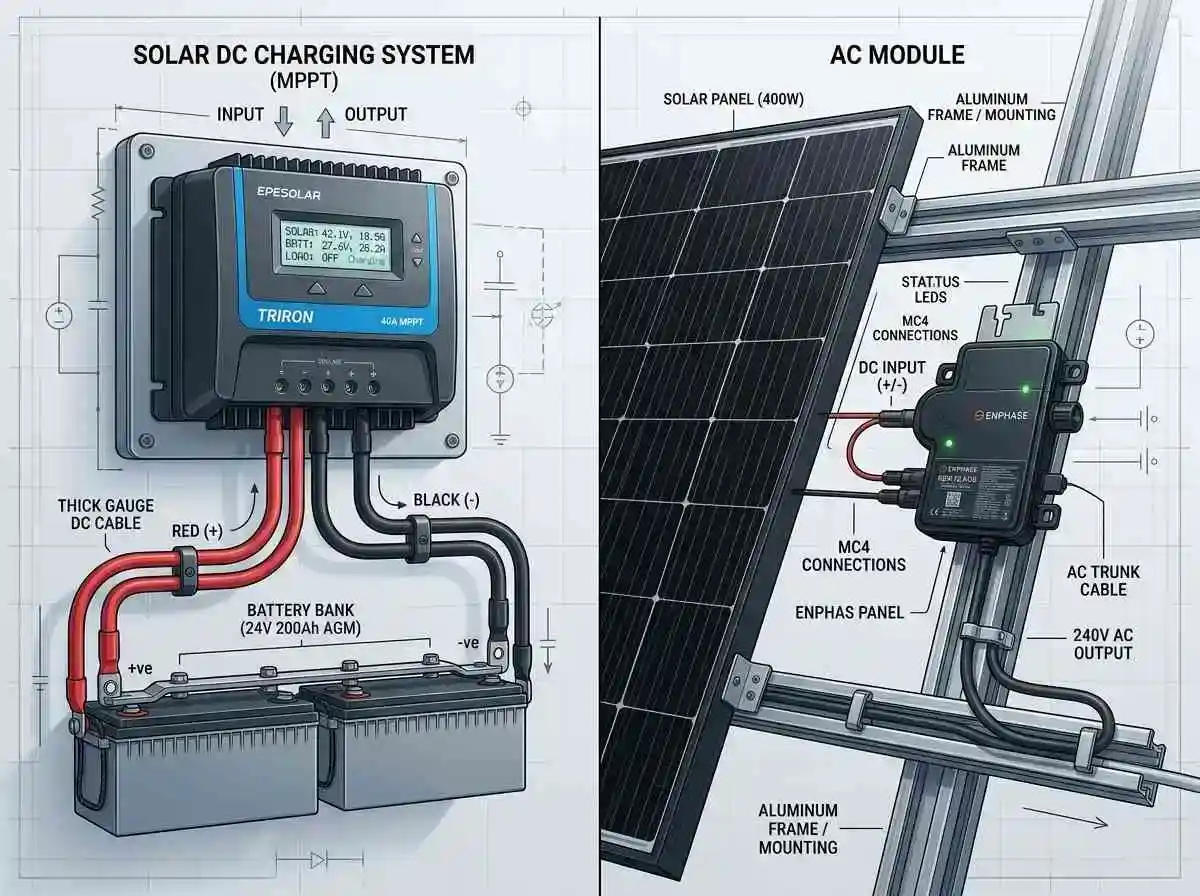
When engineering a residential solar array with battery storage, one of the most consequential design decisions is how to route the solar energy into the battery bank. Homeowners are generally presented with two distinct architectural pathways: DC-Coupled systems (utilizing traditional string panels and MPPT charge controllers) and AC-Coupled systems (utilizing roof-mounted microinverters). While microinverters dominate … Read more

Heat Pump Water Heaters on Battery Backup: Sizing, Recovery Rates & Hybrid Modes

heat pump water heater battery backup

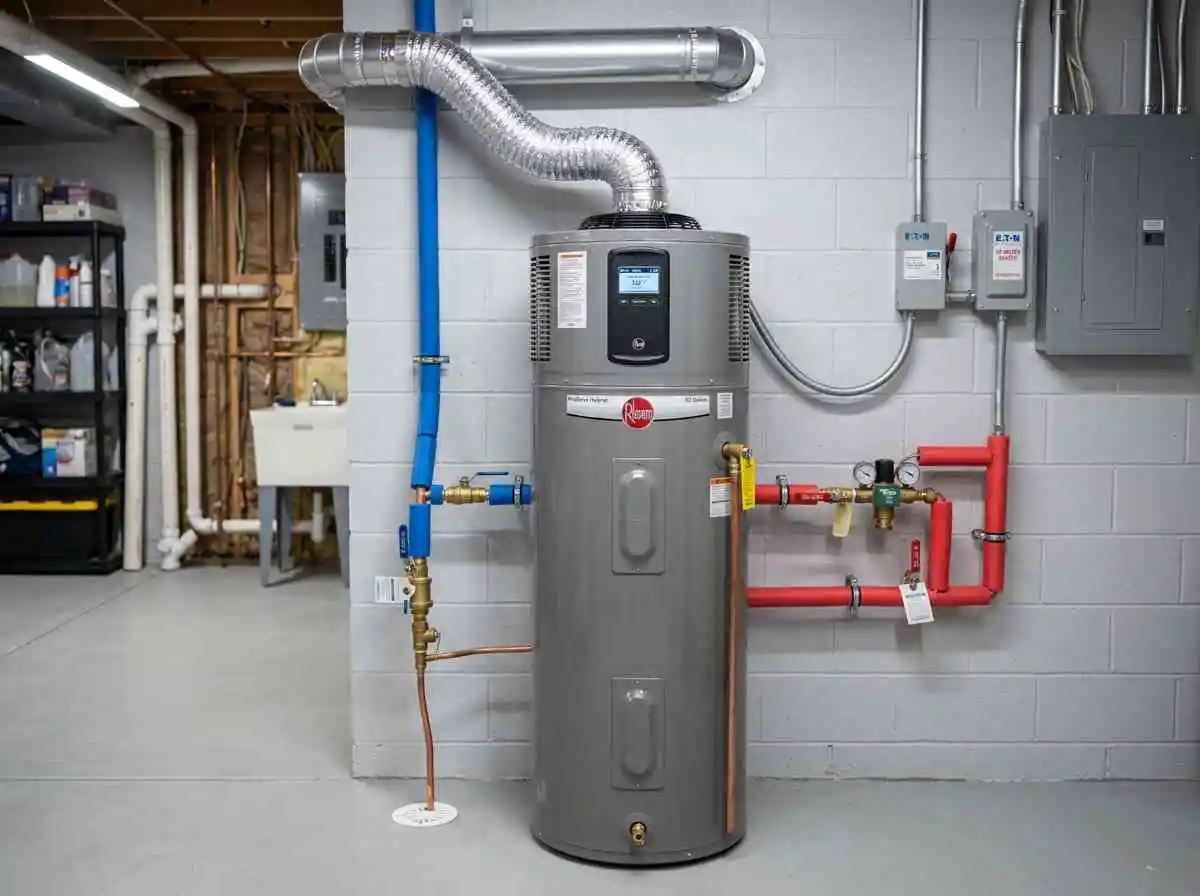
Water heating represents roughly 18% of an average home’s total energy footprint, ranking directly behind space heating and cooling as the largest continuous residential electrical draw. Traditional electric storage water heaters rely on dual resistive heating elements that demand 4,500W to 5,500W continuously. Running a standard resistive tank on an emergency battery backup will drain … Read more

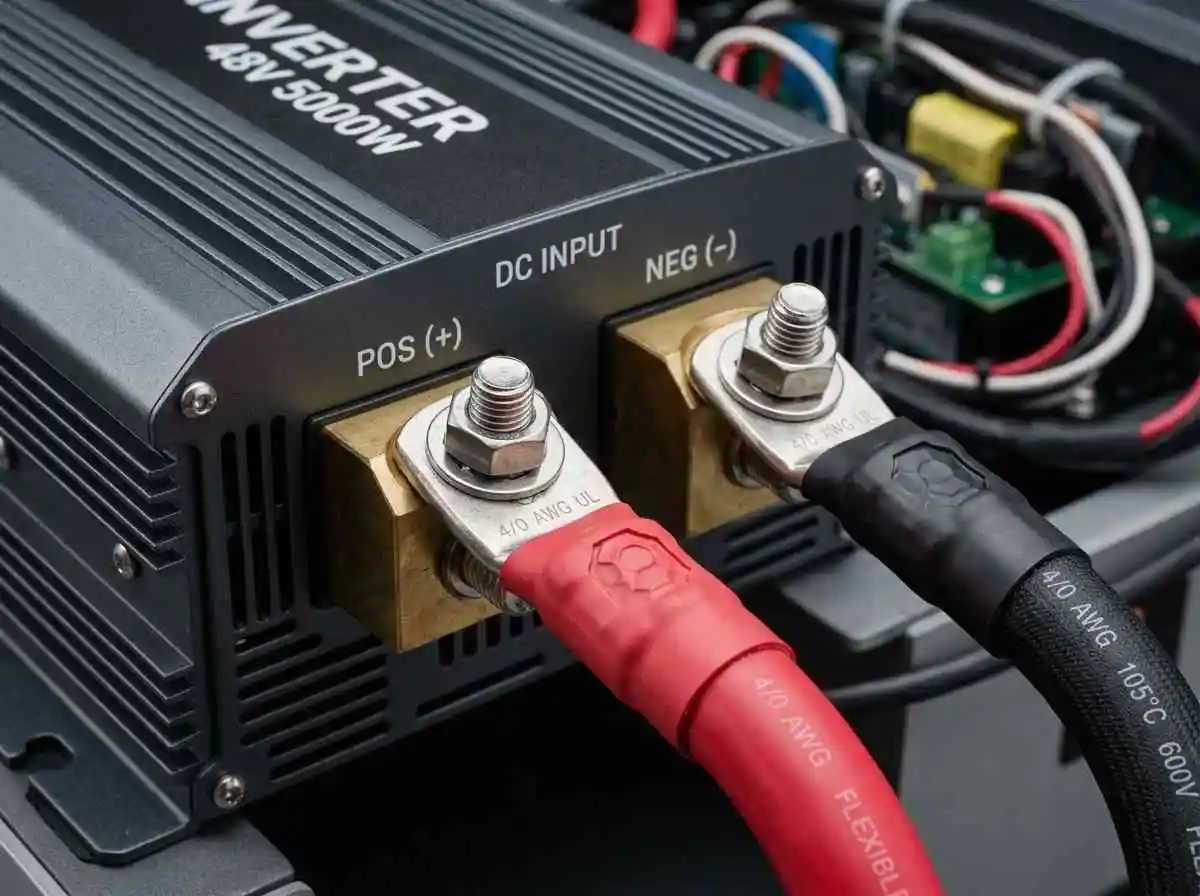
Inverter Surge Wattage Math and DC Cable Voltage Drop Calculations (48V Systems)

dc cable voltage drop 48v

An off-grid battery inverter functions as the electrical heart of a residential power system, transforming low-voltage direct current (DC) from your battery bank into stable 120V/240V alternating current (AC). However, an inverter is only as dependable as the DC cabling feeding its input terminals. Undersized conductors or loose terminal lugs introduce resistance, triggering destructive voltage … Read more

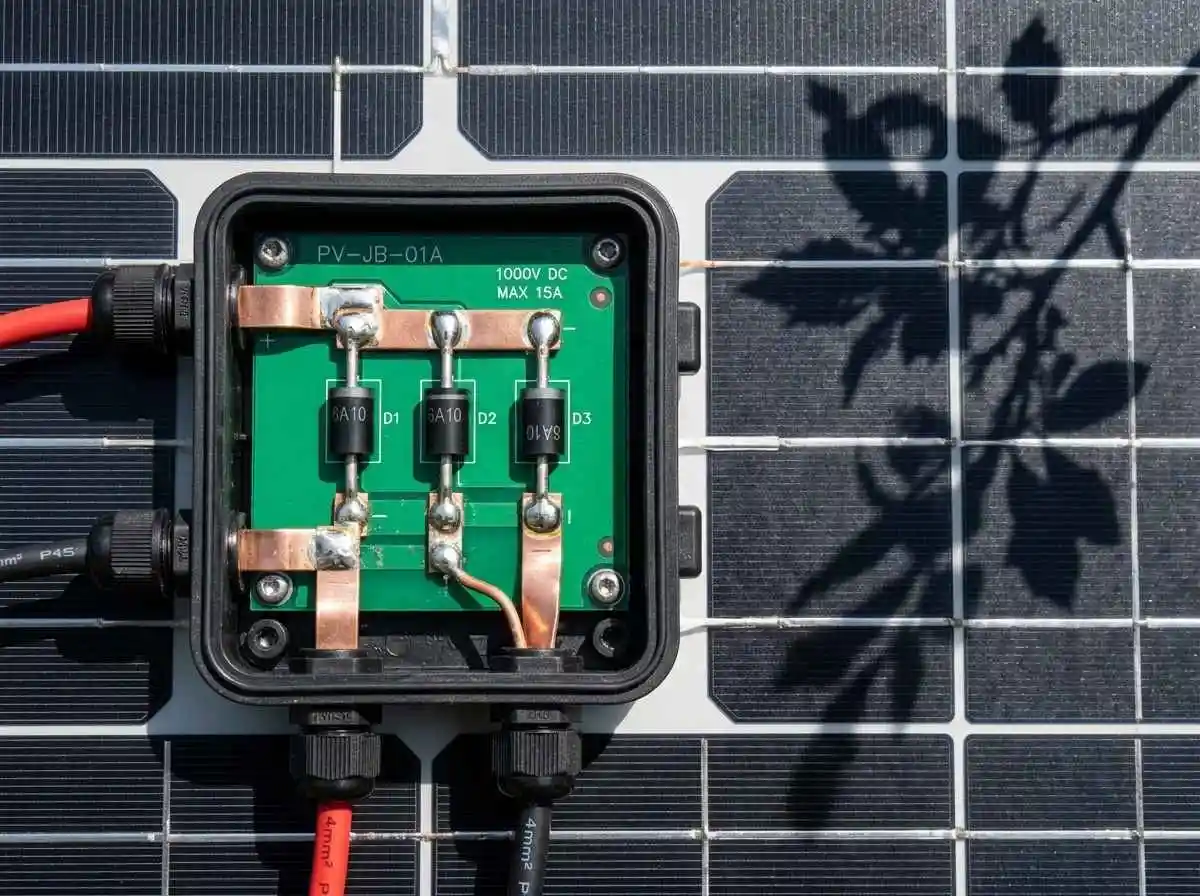
Solar Panel Shading Math: Bypass Diodes, Hotspots, and Output Loss Explained

solar panel shading math

A common misconception among homeowners installing residential battery backup systems is that solar array shading behaves proportionally: if 10% of a photovoltaic module is covered by a tree branch or chimney shadow, the system loses 10% of its power output. In real-world electrical physics, even a tiny sliver of hard shade across a single solar … Read more

Smart Load Shedding for Battery Backup: Sizing Relays & Automating Outages

smart load shedding battery backup

When utility grid power fails, even a generously sized residential battery bank faces immediate depletion if heavy 240V household appliances cycle on unchecked. Electric resistive water heaters, level-2 EV chargers, clothes dryers, and secondary air conditioning zones can silently consume 15 to 25 kilowatt-hours within a single afternoon, leaving critical medical equipment, refrigeration, and communications … Read more