Ground Mount vs Rooftop Solar for Battery Backup: Cost, Angle & Math Guide
ground mount vs rooftop solar

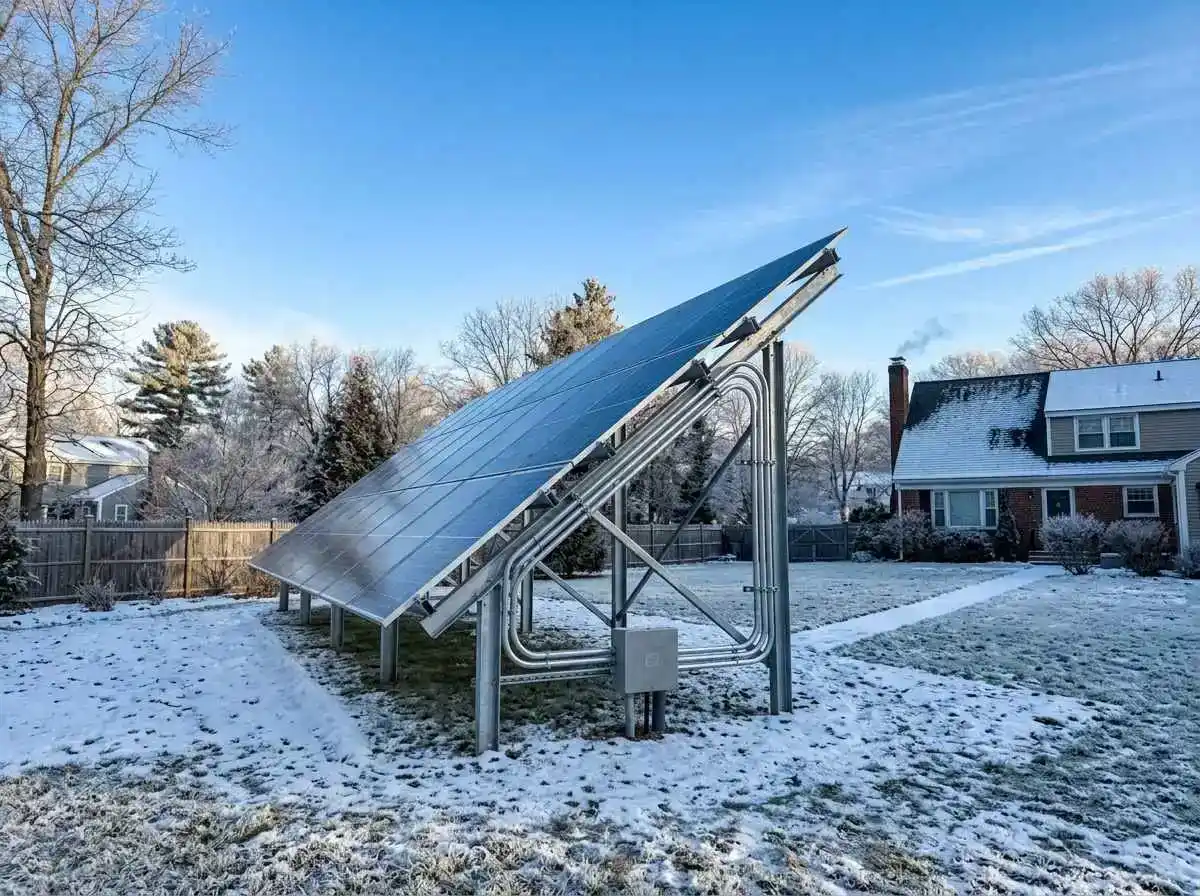
When engineering a residential solar array designed specifically to keep a battery backup bank charged through grid outages, where you mount your photovoltaic (PV) modules dictates total energy harvest. While rooftop installations represent the standard residential choice due to space constraints, ground-mounted arrays offer thermodynamic and geometric advantages that can make or break winter battery … Read more
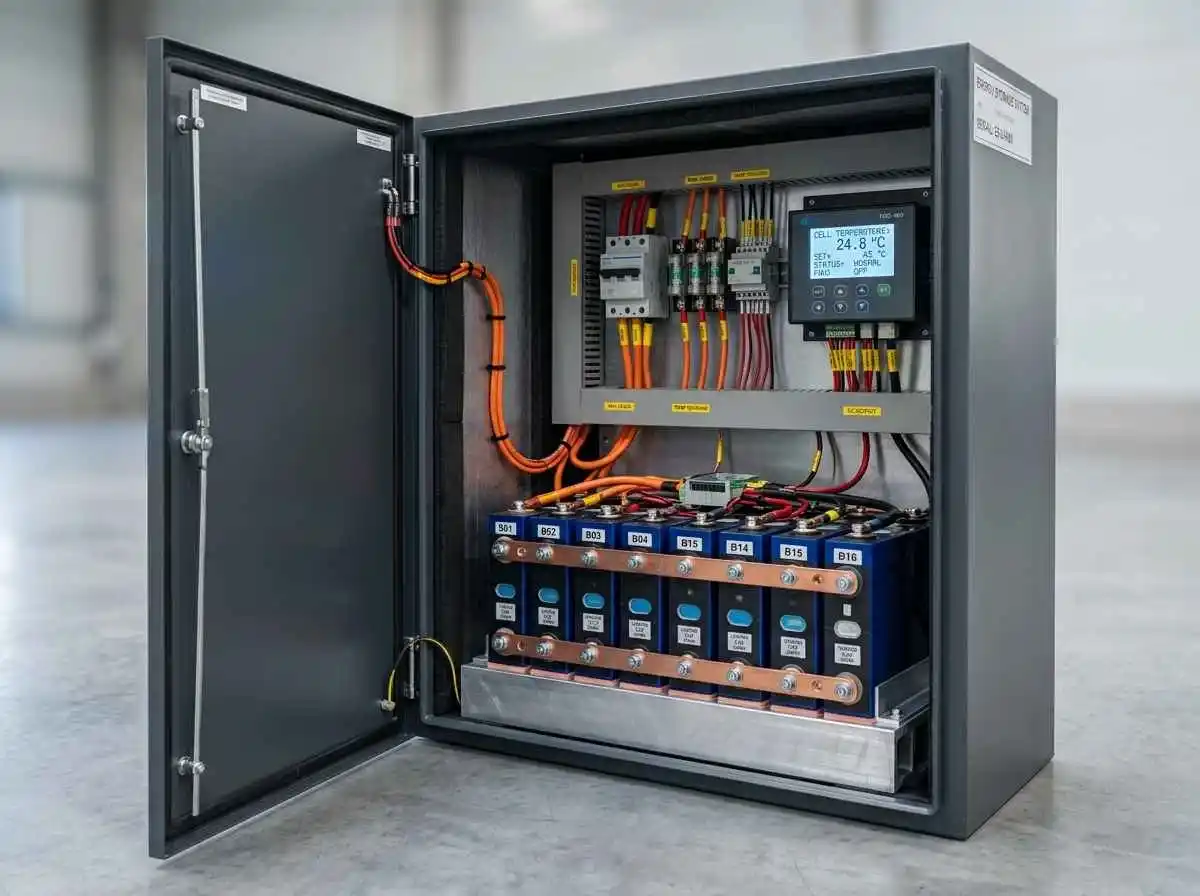
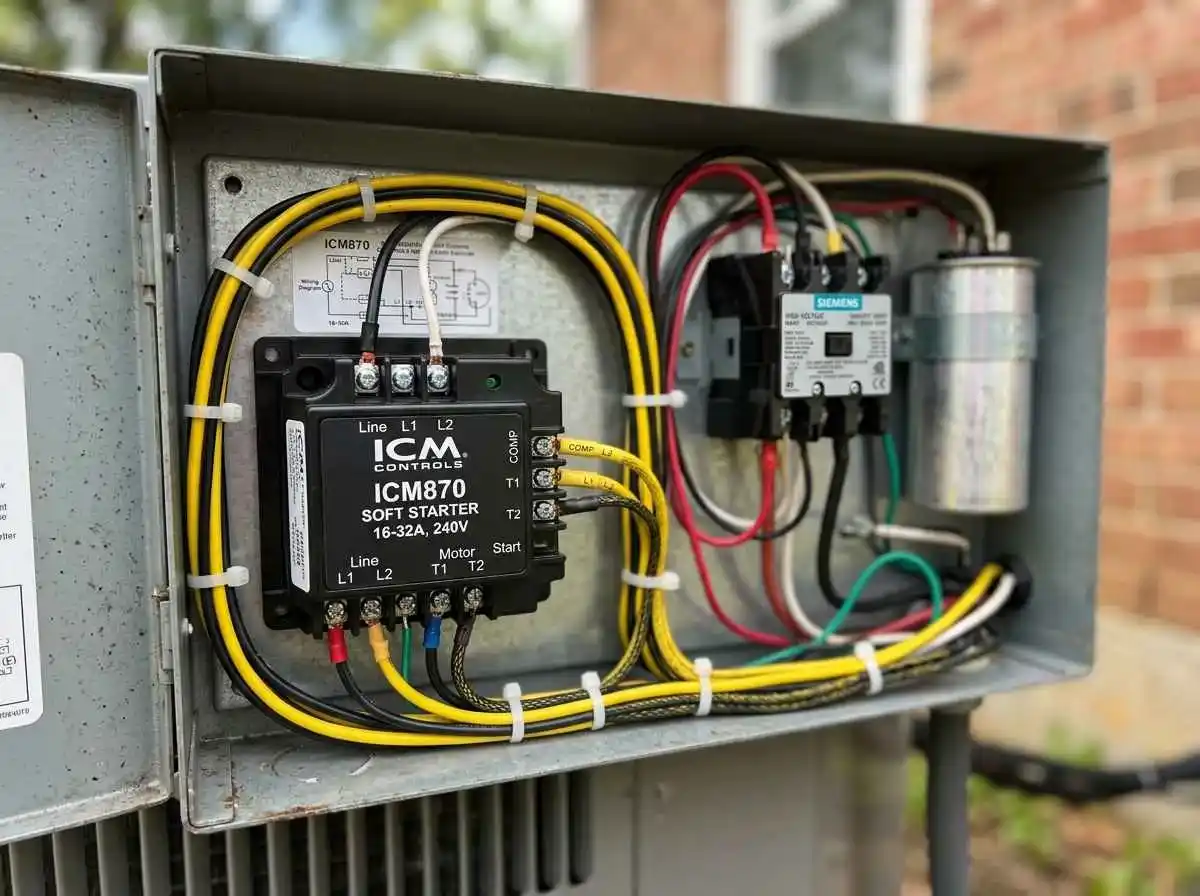
Cold Weather LiFePO4 Protection: Sizing Heating Pads and Thermal Enclosures

cold weather lifepo4 protection

While Lithium Iron Phosphate (LiFePO4) chemistry offers exceptional cycle life and thermal stability, it possesses one critical electrochemical vulnerability: an absolute intolerance to charging at or below freezing temperatures (0°C / 32°F). While discharging remains chemically viable down to -20°C (-4°F) with moderate capacity derating, forcing charge current into frozen cells induces catastrophic, irreversible lithium … Read more

Soft Starter Sizing for AC and Heat Pumps on Battery Backup: LRA Reduction Guide

soft starter for ac on battery backup

Air conditioning compressors and modern heat pumps represent the single largest electrical hurdle when transitioning a home to off-grid battery backup. While a 3-ton central AC unit might only consume 3,000 to 3,500 running watts, starting that compressor from a complete dead stop requires an instantaneous surge of inductive current that can overwhelm even high-capacity … Read more

Solar DC Isolator and Rapid Shutdown Sizing: NEC 690 Compliance Guide

solar dc isolator switch

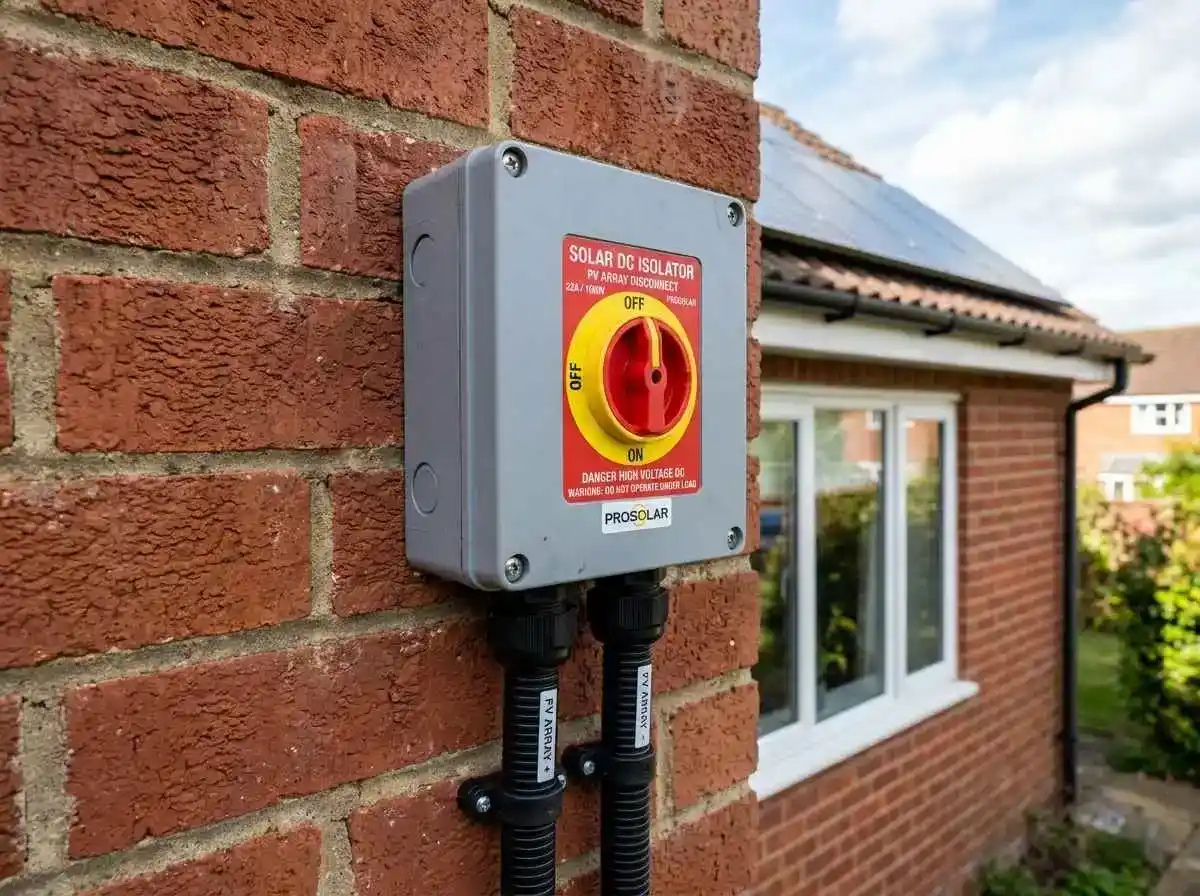
Direct current (DC) generated by photovoltaic arrays does not cross a zero-voltage threshold dozens of times per second like alternating current (AC). Consequently, an electrical arc formed in a high-voltage DC string will not extinguish on its own; it burns continuously, melting conduit boxes and posing severe structural fire hazards if interrupted with improper switchgear. … Read more

How to Choose and Size a BMS for 48V LiFePO4 Battery Banks

battery management system

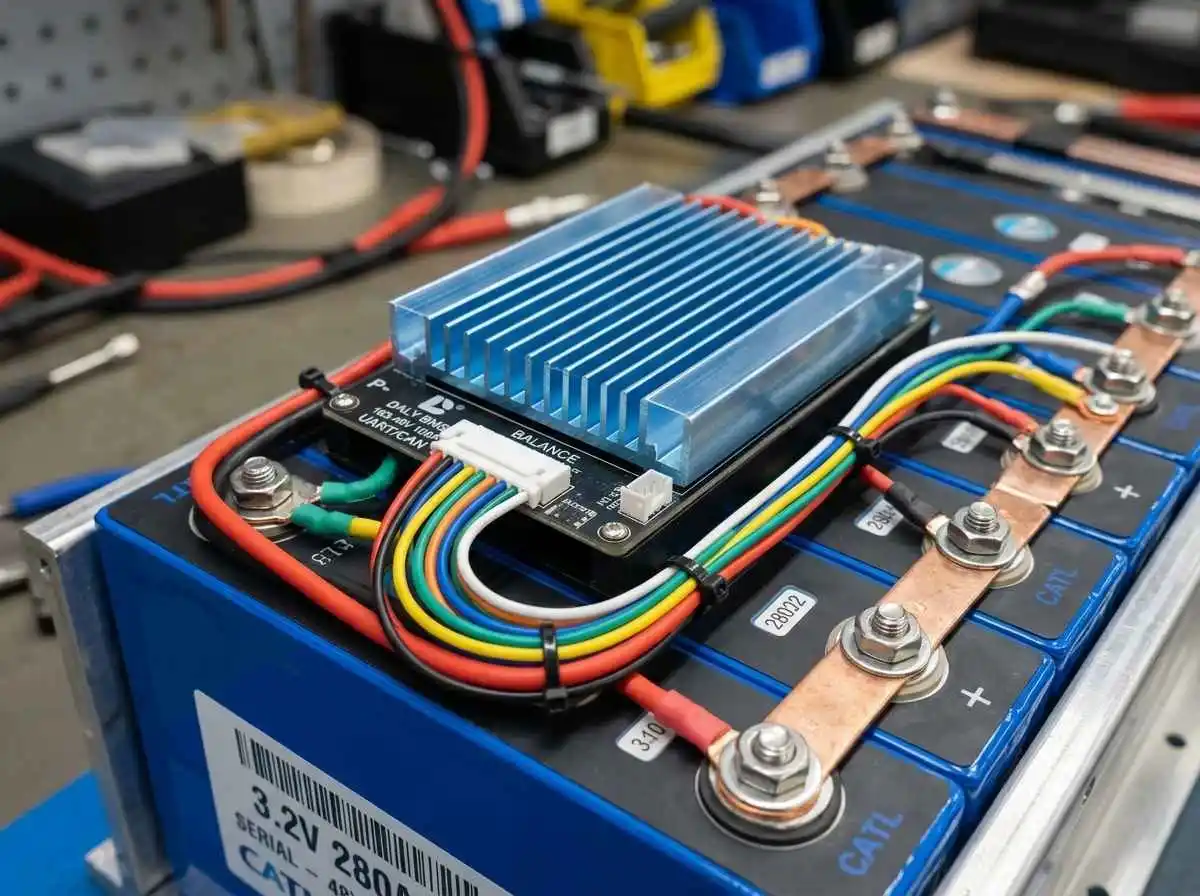
A lithium iron phosphate (LiFePO4) cell without a Battery Management System (BMS) is an accident waiting to happen. While LiFePO4 chemistry is inherently more stable than cobalt-based lithium variants, individual prismatic cells operate within strict electrochemical tolerances. Exceeding continuous discharge limits, overcharging beyond cell saturation, or drawing current below freezing temperatures will permanently degrade capacity … Read more

Transfer Switch Sizing for Home Battery Backup: Manual vs ATS Explained

transfer switch home battery backup

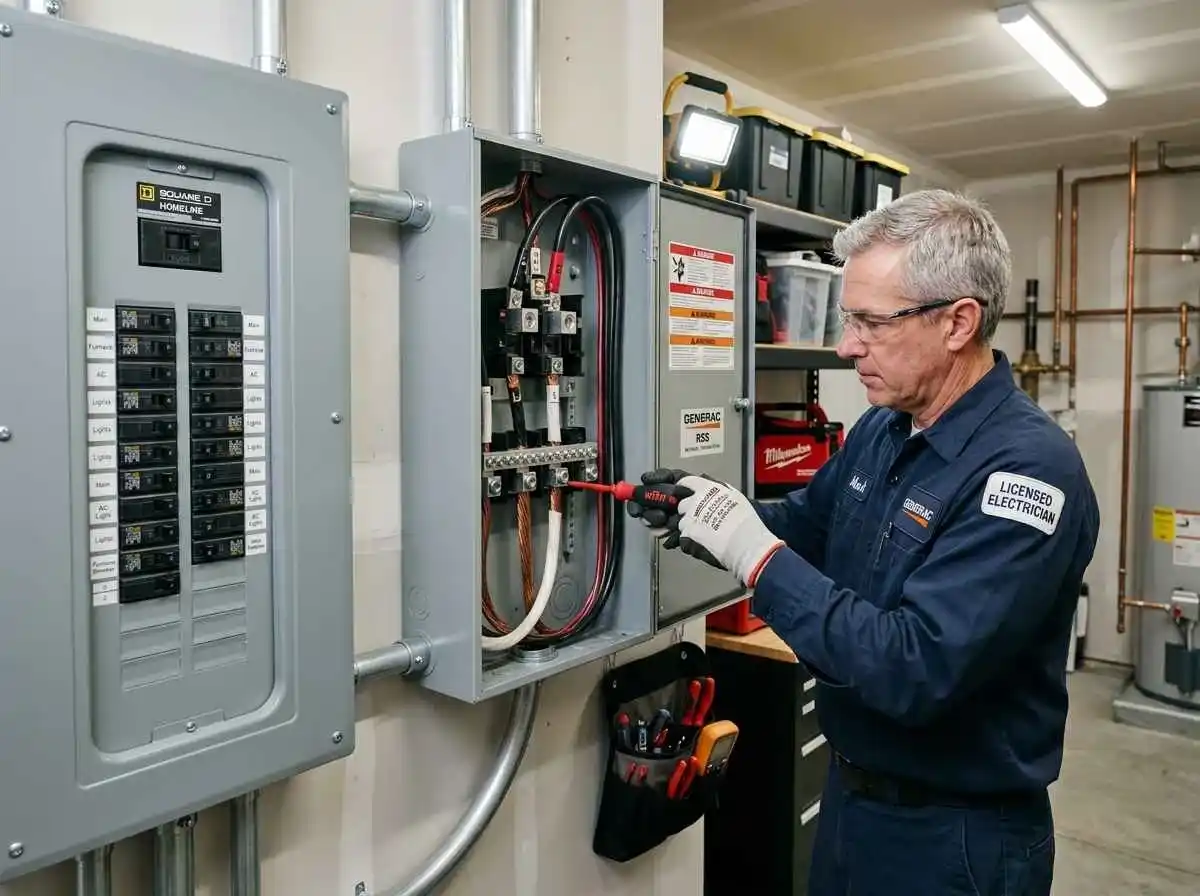
Connecting a multi-kilowatt battery inverter directly to your home’s electrical distribution without a physical isolation mechanism is both illegal and lethal. During a utility grid failure, energized residential circuits will backfeed power onto external neighborhood power lines, turning localized distribution transformers into step-up hazards that endanger utility linemen working down the street. To safely isolate … Read more

How to Size an MPPT Solar Charge Controller for 48V Systems (Calculations & Safety Margins)

solar charge controller

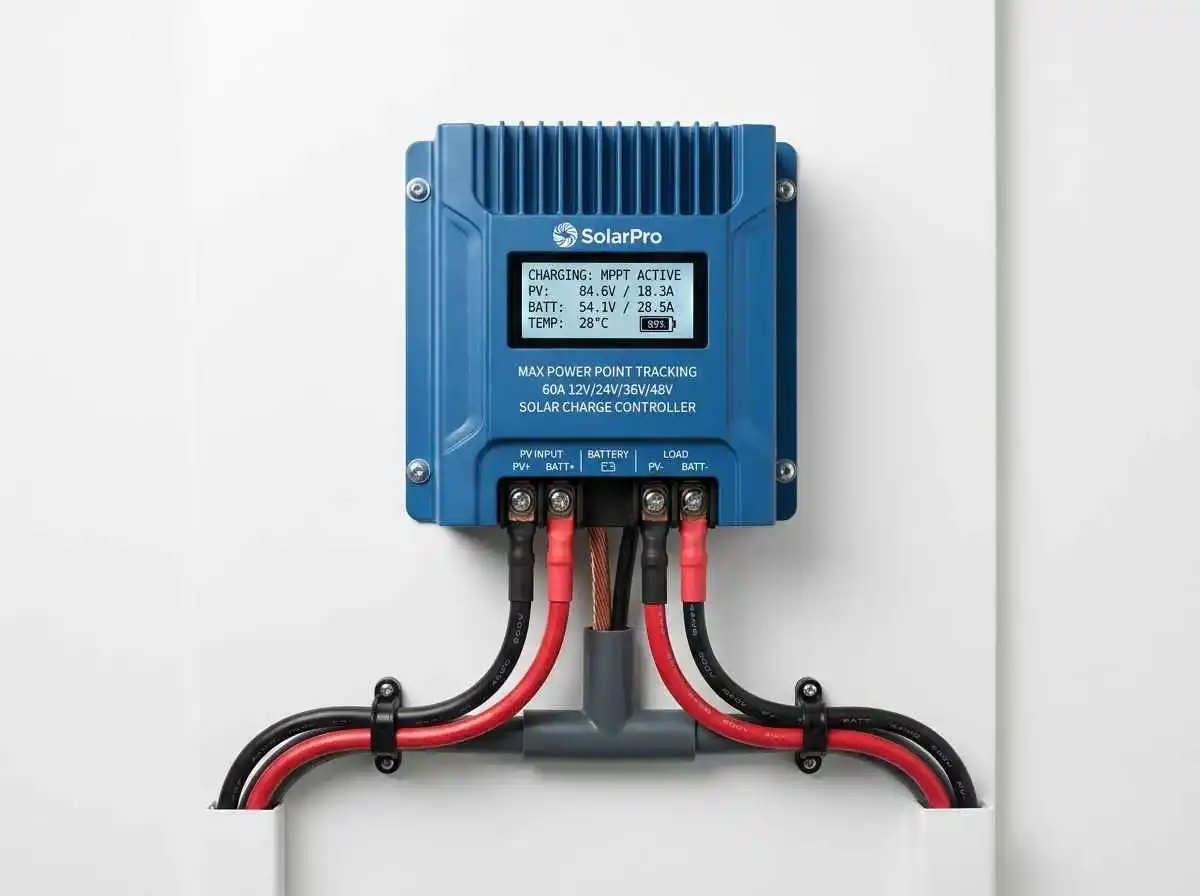
Selecting an undersized Maximum Power Point Tracking (MPPT) charge controller bottlenecks your entire solar array, leaving valuable energy unharvested on peak sunny days. Conversely, selecting an oversized controller needlessly drains your budget on unused current capacity. Worse still, miscalculating maximum input voltage risks catastrophic electronic failure the first time winter temperatures drop. Unlike legacy Pulse … Read more

Busbar Sizing and Fuse Selection for 48V DIY Battery Systems (Class T vs ANL)

class t vs anl fuse battery

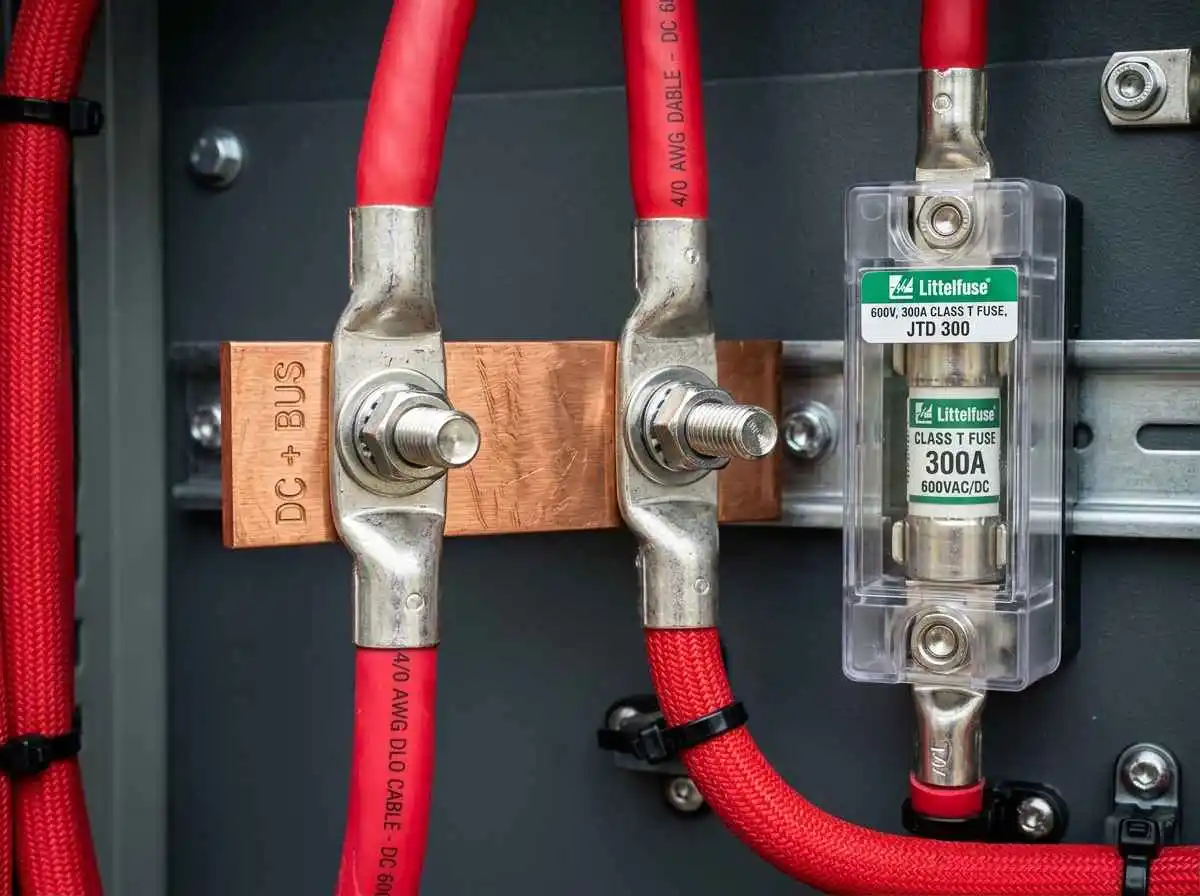
When building a high-capacity 48V lithium iron phosphate (LiFePO4) energy storage system, mechanical connections and overcurrent protective devices (OCPD) are frequently treated as afterthoughts. Homeowners often spend thousands on server-rack battery modules and hybrid inverters, only to bottleneck the system with undersized copper bars or dangerous, slow-blow automotive fuses. A dead short on a 48V, … Read more

Whole-Home Energy Audit for Battery Sizing: Vampire Loads, Surge Watts, and Critical Load Subpanels

Home Efficiency

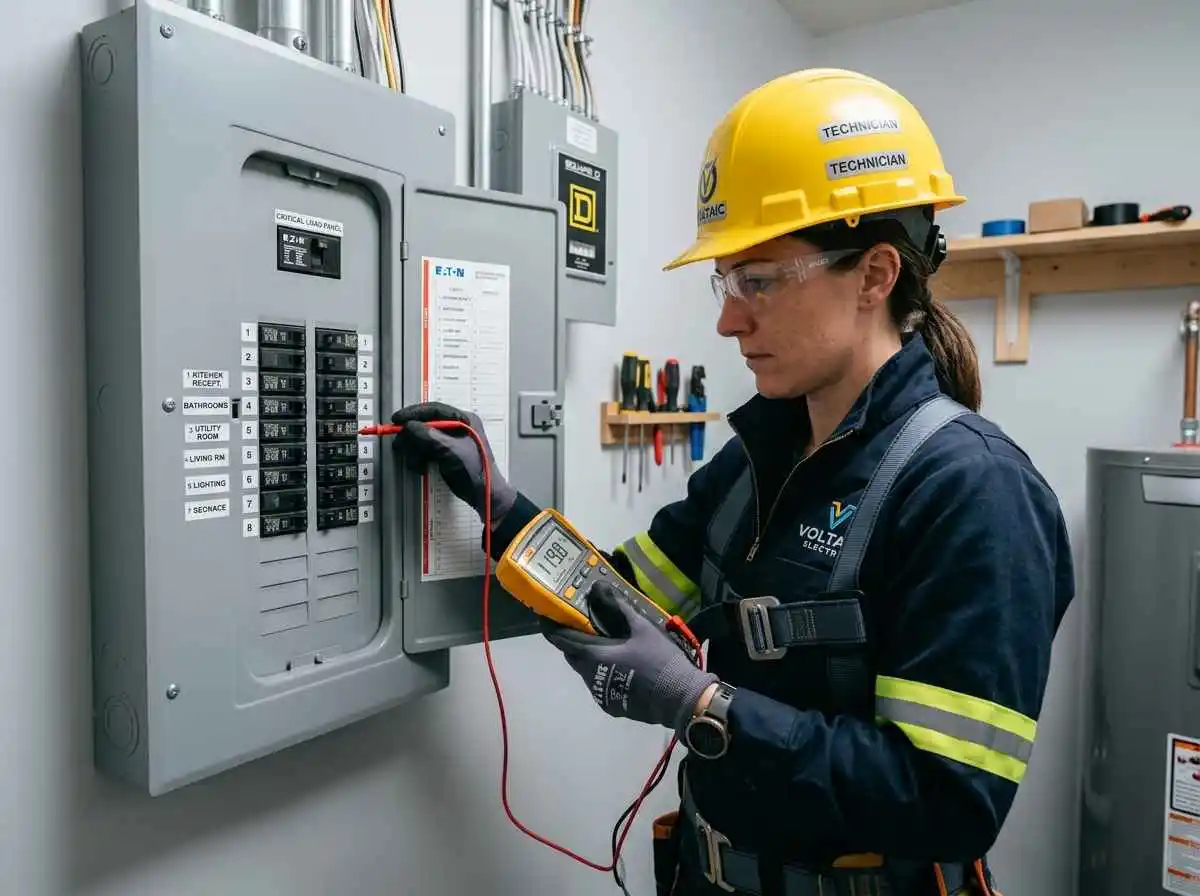
Investing thousands of dollars in a residential battery storage system without first conducting an aggressive electrical audit is the most expensive mistake a homeowner can make. If you simply aggregate the average monthly kilowatt-hours (kWh) reported on your utility bill, you will either vastly oversize your battery bank—wasting capital—or undersize your inverter, causing it to … Read more

DIY Solar Panel Wiring for Battery Backup: Series vs Parallel Explained

DIY Solar Panel Wiring for Battery Backup: Series vs Parallel Explained

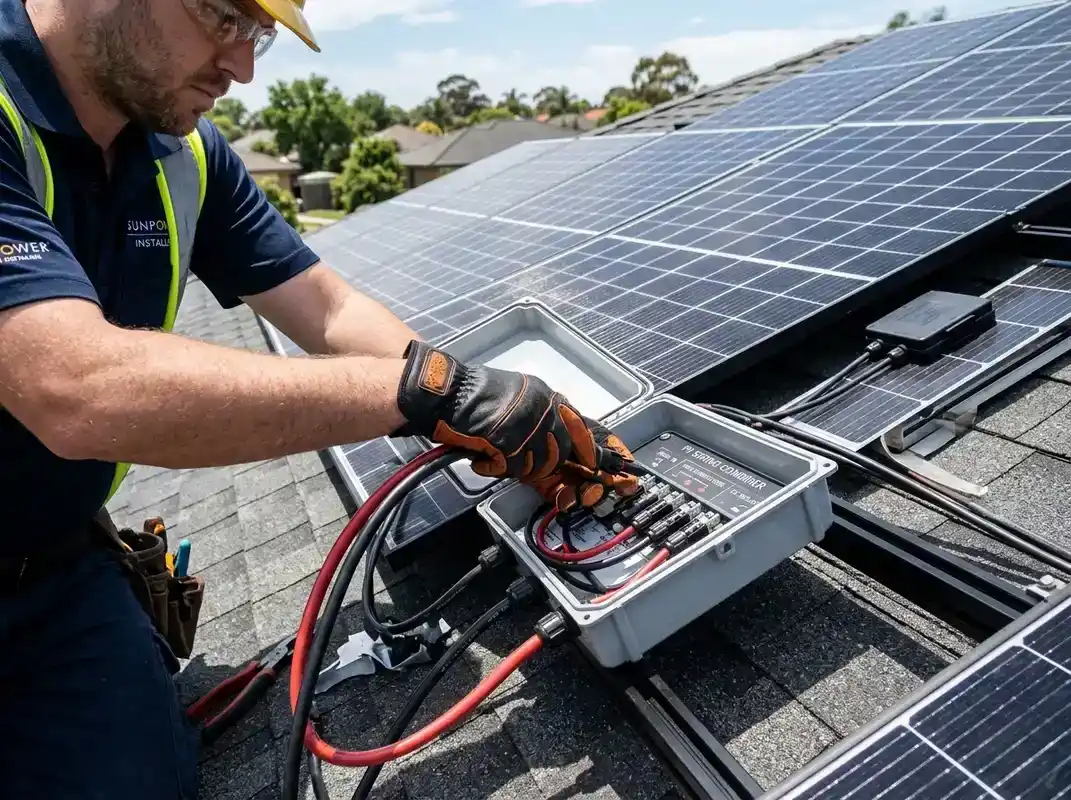
Wiring solar panels incorrectly is the most common reason DIY home backup systems fail before the first grid outage. While connecting photovoltaic (PV) modules seems as simple as snapping MC4 connectors together, choosing between series, parallel, or a hybrid series-parallel array fundamentally dictates your system’s operating efficiency, wire gauge requirements, and inverter safety. An improper … Read more